Get Full Government Meeting Transcripts, Videos, & Alerts Forever!
Get email alerts on the Mobility Fee topic
No spam. Unsubscribe anytime.
Consultants present mobility-fee plan; commissioners weigh affordability and local control
Summary
Consultants updated the commission on a draft mobility plan and a proposed city-collected mobility fee that would replace Palm Beach County impact fees for new development; commissioners pressed staff on exemptions for affordable housing, geographic adjustments, indexing, and whether the county will negotiate collection agreements.
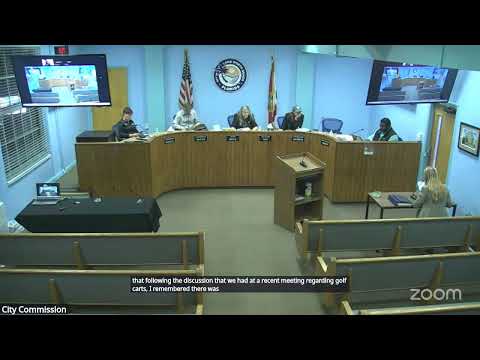
Lake Worth Beach commissioners got a second, technical briefing April 21 on a draft mobility plan and a proposed mobility fee that the city could collect from new development instead of the county. Consultant Jonathan Paul of New Urban Concepts and staff from WGI walked the panel and the public through the methodology, proposed fee schedule and next steps for an implementing ordinance.
Paul told the commission the fee is intended to fund multimodal safety and access projects — sidewalks, crosswalks, lighting and bicycle lanes — rather than road widening. He described a typical residential rate of about $3.80 per habitable square foot (roughly $4,940 for a 1,300‑square‑foot home in Lake Worth Beach in the draft schedule) and higher per‑square‑foot rates for some multifamily and commercial uses. For use types that generate additional trips, such as fast‑food restaurants with drive‑through lanes, the consultant showed substantially larger example fees.
Why it matters: If the city switches from the county’s flat impact fee to a local mobility fee, more development revenue could remain in Lake Worth Beach and be directed to neighborhood safety and pedestrian projects rather than county roads farther west.
Commissioners focused questions on the ordinance design and local policy choices rather than the technical math. Several members asked whether affordable‑housing projects could receive full or partial exemptions; Paul said Florida statute allows municipalities to craft exemptions and the ordinance can specify criteria and percentage reductions. Commissioners also discussed whether fees should escalate automatically with inflation or be reassessed every four years, whether the schedule should vary by neighborhood to reflect downtown density, and how the city would negotiate with Palm Beach County to stop double charging developers.
Commissioner comments illustrated the policy tradeoffs: some members urged keeping fees conservative at first and indexing them so they rise with costs; others urged setting fees on the higher side because Lake Worth Beach’s constrained street grid and safety needs make multimodal investment more urgent. Commissioners also asked staff for comparisons with nearby municipalities and for clarity on which kinds of projects the fee could pay for (staff said resurfacing could be funded only when it is part of a mobility project that adds sidewalks or bike lanes).
The consultant recommended that the commission provide policy direction and then return the draft ordinance for a first reading, at which point commissioners would have another chance to adjust exemptions, indexing and benefit‑district boundaries. No formal action was taken at the briefing; staff said a first‑reading ordinance would be prepared for future meetings.
Main sources: Presentation and answers by Jonathan Paul (New Urban Concepts) and WGI staff during the commission meeting on April 21, 2026. No vote recorded on the fee at this meeting.