Get Full Government Meeting Transcripts, Videos, & Alerts Forever!
Get email alerts on the Reentry Program topic
No spam. Unsubscribe anytime.
Weber County to expand jail reentry program after state grant, sheriff's chief says
Summary
Weber County officials said a state grant will expand a three-year reentry program that county staff and partners say has produced a 45% reduction in recidivism by connecting high-risk people leaving custody to housing, health care and social services.
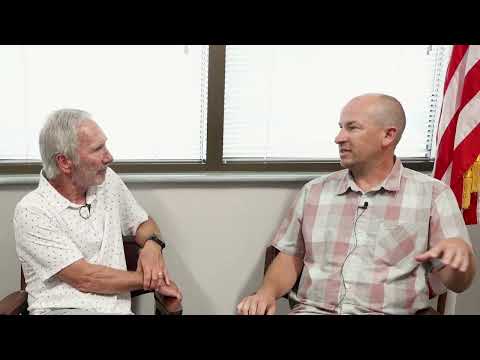
Commissioner Gage Flor said Weber County secured state funding to expand its jail reentry program and introduced Chief Lavely of the sheriff's office to describe the work.
Chief Lavely said the reentry team combines Weber County employees with embedded staff from partner agencies, including Weber Human Services, USARA and the Housing Authority, to identify high-risk individuals in custody and connect them to medical treatment, mental-health services and housing so they do not return to jail. "Running their stats has been able to show a 45 percent reduction in recidivism," Chief Lavely said, adding the program has been operating in its current model for about three years.
The chief said a state grant will help the county grow the program and bolster forensic social-worker support at the public defender's office that coordinates with the reentry team. He described the grant as intended both to expand local capacity and to create a model other Utah jurisdictions could follow.
Commissioner Flor framed the grant as a fiscal and public-safety win, saying it costs far more to incarcerate people than to have them living and contributing in the community. The county did not provide a dollar amount for the state grant during the meeting, and officials did not supply independent documentation of the 45 percent figure; the reduction was reported by county staff.
Next steps described at the meeting include using the state funds to enlarge program staffing and coordinate services with partner agencies. County listeners were invited to contact the Weber County Commission for more information.
The Commission did not take a formal vote on program policy during the portion of the meeting recorded in the transcript.