Get Full Government Meeting Transcripts, Videos, & Alerts Forever!
Get email alerts on the Property Taxes topic
No spam. Unsubscribe anytime.
Lauderdale Lakes officials say proposed Florida property-tax changes could cost city about $14 million
Summary
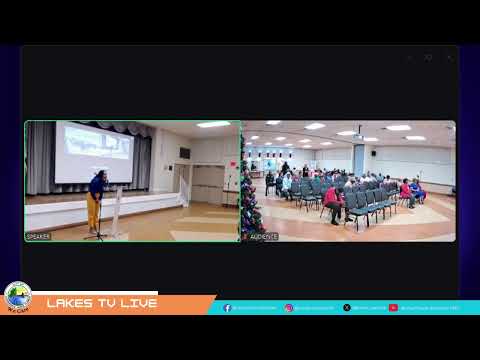
At a city town hall, Lauderdale Lakes leaders and the Broward County property appraiser outlined how proposals under consideration in Tallahassee could strip local taxing authority and eliminate a large share of city revenue; officials said the city could lose roughly 43% of its general fund (about $14 million) without identified replacement funding.
Lauderdale Lakes officials told residents at a packed town hall that proposals under consideration in the Florida Legislature and possible ballot measures could sharply reduce or eliminate local property-tax revenue and leave the city scrambling to replace services.
"There is no identified replacement funding," said Mayor Veronica Edwards Phillips, who opened the meeting and warned the proposals would shift taxing authority away from local governments to Tallahassee. "If we lose our property taxes, there goes $14,000,000 in losses," she said, citing the city's own analysis that estimated a roughly 43% reduction in the general revenue fund if the most expansive proposal passed without replacement revenue.
City officials and Broward County property-appraiser staff sought to give residents concrete numbers and explain several different proposals being discussed at the state level. Broward County's property appraiser, who introduced himself and walked through county and city slides, said a Policy Institute analysis found eliminating all property taxes statewide would remove about $55 billion in local revenue and that a blunt swap to a very-high sales tax would be unpopular in polls.
The appraiser summarized four measures being discussed in the Florida House and related committees: a broad homestead exemption that would eliminate local property taxes for homesteaded residences except for the school portion (cited as House Joint Resolution 201 in the presentation); an exemption for homeowners 65 and older; a homeowners-insurance-linked exemption (an additional $200,000 homestead exemption for insured properties in one proposal); and changes to portability rules that would alter how assessed-value savings transfer between homes. He said countywide figures include about 424,899 homesteaded properties in Broward; Lauderdale Lakes has roughly 6,091 homesteaded properties, and median savings in the largest proposal were presented to be about $757 for a typical Lauderdale Lakes homestead.
Sharon Haynes, the city's director of financial services, put numbers to the slide presentations and said property tax is the city's largest revenue source. "Without property tax for 2026, the city would have had a deficit of just over $15,000,000," Haynes said, noting contractual public-safety costs with the Broward Sheriff's Office and other fixed obligations that limit how the city could reallocate funds.
Department directors described the services that would be affected if revenue fell. The public-works director said reduced funding would force cuts to park maintenance, trash pickup, fleet repairs and capital projects. "If resources are reduced, the level of service will be reduced and the quality of life will go down," he said. The parks and human-services director highlighted potential cuts to senior meal programs, transportation and youth after-school programming that she said could increase social isolation among seniors.
Officials repeatedly emphasized that many details are unresolved. The appraiser noted that proposals often include protections for schools and public safety, but also that legislation implementing any constitutional change would still be required and that officials have not yet seen final implementing bills. He also offered residents assistance from his staff on exemptions and appeals.
Residents asked questions during a public Q&A. One attendee asked whether inability to pay taxes could lead to losing a house; property-appraiser staff clarified that tax collection and payment plans are handled by the tax collector's office and encouraged residents to consult both offices about deadlines and exemptions. An online participant asked when a passed amendment would take effect; meeting participants replied that implementation could be in 2027 depending on legislative and ballot timing.
The meeting closed with officials saying more town halls and neighborhood meetings will be scheduled so residents can review proposals and prepare for any referendum or ballot measure.
What happens next: City officials urged residents to monitor city alerts and the website for dates of additional town halls and homeowners-association briefings and to speak with county property-appraiser staff about exemptions or assessment questions.