Get Full Government Meeting Transcripts, Videos, & Alerts Forever!
Get email alerts on the Public Safety topic
No spam. Unsubscribe anytime.
Sheriff’s office seeks new mental-health transport arrangement and the commission accepts donated ballistic vest for K‑9
Summary
After the county's prior ambulance contractor stopped operations, the sheriff described plans to contract mental-health patient transport; commissioners also voted to accept a donated ballistic vest for the department's K‑9 as a nonfinancial vote of support.
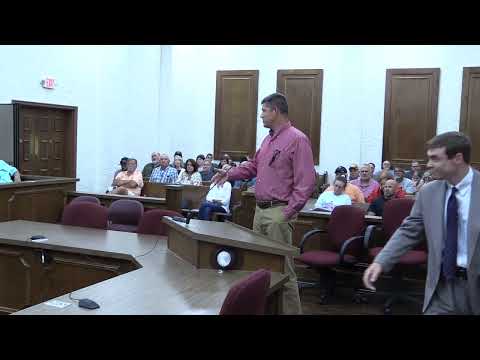
The sheriff's office told the commission on July 20 that the county's prior mental‑health patient transport contractor (AmeriMed) is no longer operating and staff recommended a new agreement to ensure continued transport of mental‑health patients from local hospitals.
The sheriff's presenter said the county had relied on a contract that appears to have ended when the provider went out of business; the sheriff's office proposed securing another provider to handle transports and indicated the county would pay for the service under mental‑health grant arrangements. "We will actually pay the ambulance service to support mental health patients," the presenter said, adding that the county intends to continue transports while grant procedures are followed.
On a separate public-safety item, commissioners voted to accept a donated ballistic vest for the sheriff office's K‑9 Atlas from the nonprofit 30 by 30. Deputy Tyler Lane was introduced as Atlas's handler. Staff said canine vests cost roughly $3,000 and asked the commission to accept the donation when the nonprofit completed its process. A motion to accept the donation was approved by roll call and recorded as accepted in the meeting minutes.
The sheriff's report also summarized inmate‑housing arrangements, accreditation status, and the potential fiscal impacts of transferring accreditation and housing contracts. Commissioners asked follow-up questions about how inmate housing and transport arrangements would work if contracts or accreditation changed.
Next steps: staff will pursue a replacement transport agreement as needed and accept the nonprofit's donation after final processing.