Get Full Government Meeting Transcripts, Videos, & Alerts Forever!
Get email alerts on the Neighborhood Revitalization topic
No spam. Unsubscribe anytime.
Pratt commission adopts neighborhood revitalization plan, authorizes limited-term tax rebates
Summary
The City Commission of Pratt adopted a neighborhood revitalization plan and interlocal agreement covering the city and Pratt County, establishing a program that rebates a portion of property-tax on improvements for a limited term to encourage rehabilitation and economic development.
The City Commission of Pratt voted to adopt a neighborhood revitalization plan and interlocal agreement intended to promote rehabilitation and economic development across the city and Pratt County.
A staff member read the resolution (recorded in the packet as resolution 061526) and cited Kansas statutes as the legal basis. "Accordingly, this governing body adopts the neighborhood revitalization plan as presented," the staff member said while reading the resolution text, which designates the entirety of the city of Pratt and Pratt County as a neighborhood revitalization area and directs the mayor to execute an interlocal agreement.
The plan as presented allows a plan term of up to 10 years with rebates on the assessed tax for improvements limited to seven years. Staff described how the rebate applies only to the additional assessed value created by improvements while the base property value remains fully taxable. The resolution specifies where the public may review the plan and the interlocal agreement: the Pratt County appraiser's office and the Pratt City Clerk's office.
During the hearing, commissioners and staff framed the program as an economic-development tool. Staff noted the program has been used to recruit hotels and other businesses along Highway 61 and cited a developer's past statement that he would not have built in Pratt without the incentive.
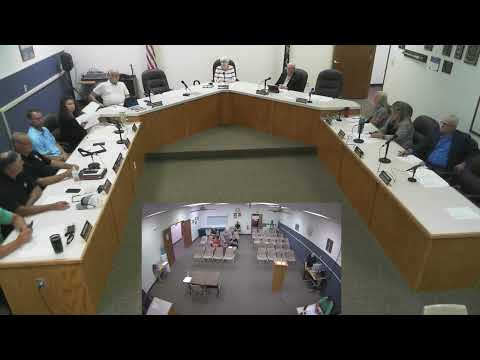
The commission opened the public hearing, heard questions from the floor, closed the hearing, and voted to adopt the resolution. Following recorded 'Aye' responses, the chair announced the motion carried and the resolution was adopted.