Get Full Government Meeting Transcripts, Videos, & Alerts Forever!
Get email alerts on the Attendance Policy topic
No spam. Unsubscribe anytime.
Council moves to remove 10‑absence candidate‑eligibility penalty from proposed charter
Summary
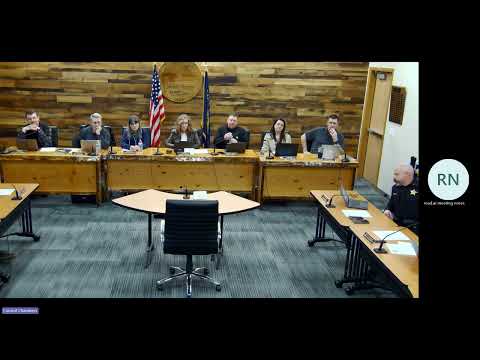
After a work session review, Sweet Home council signaled it will remove a proposed charter clause that would bar anyone with 10 or more unexcused absences in a year from running in the next election, citing constitutional concerns and preference for vacancy rules instead.
The Sweet Home City Council indicated during a work session that it will drop a proposed charter provision that would have made any mayor or councilor who is absent for 10 or more regular council meetings within a 365‑day period ineligible to run in the following election.
City Attorney Larson laid out the proposed text and the legal tradeoffs, reading: "any mayor or councilor who is absent for 10 or more regular city council meetings within a 365 day period ... shall not be eligible to seek office in the following election." Larson said the provision "very much mirrors" a state measure but warned the council to ensure any eligibility restriction is narrowly tailored and content neutral so it can withstand constitutional scrutiny.
Several councilors raised First Amendment concerns about restricting eligibility; one councilor called the proposal "really troubling" and another said the council should not add to the charter a new eligibility bar. Mayor Coleman said she preferred removing the ineligibility language and relying instead on vacancy procedures to hold elected officials accountable. The council reported a divided view but moved toward removing the 10‑absence eligibility clause from section 3.1 and refining vacancy language in section 4.1 instead.
The change was handled by consensus in the work session rather than by a formal roll‑call vote. The council asked staff to redraft the charter language to remove the ineligibility provision and to return with a revised text for further review.
Next steps: staff will produce the edited charter language reflecting the removal of the 10‑absence eligibility bar and circulate it for the council's review before any ballot referral.