Get Full Government Meeting Transcripts, Videos, & Alerts Forever!
Get email alerts on the Data Center topic
No spam. Unsubscribe anytime.
Heated public comments at Rural Hall meeting center on proposed data center and annexation pledge
Summary
Dozens of residents and developers spoke during public comment about a proposed data center near Rural Hall: supporters emphasized tax revenue and a 17‑acre park, while opponents raised concerns about water use, noise, property values, and long-term viability. Developers offered an annexation commitment if rezoning is approved.
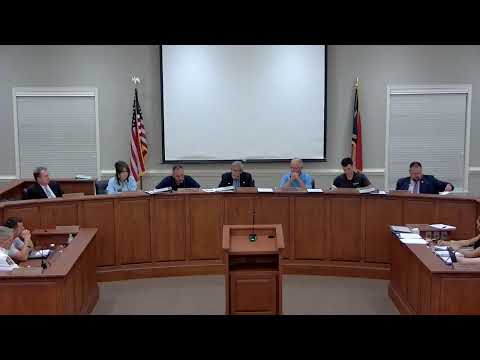
A prolonged public comment period at the Rural Hall Town Council meeting focused on a proposed data center adjacent to town limits, with speakers offering sharply divergent views on whether the project would benefit the town.
Joel Rice, a resident who opened the public comments, argued the project could deliver “substantial property tax revenue which can help support schools, public safety, infrastructure improvements, parks, and other local services without placing additional burdens on existing residents.” Multiple residents and landowners, however, urged the council to maintain a cautious stance. Carol Newsome told the council she applauded the town for passing Resolution 901 in opposition to the data center and said, “What we'd like to know is what truly the tax revenue could be.”
The developer's representative, speaking with express authorization from the DRS group, offered a concrete concession. Michael Fes, development manager for the Iron Spur project, said on the record that the developer would “voluntarily petition for annexation of this project into the town of Rural Hall” upon rezoning approval and would make that annexation a binding zoning condition to ensure the town shares in tax benefits. He framed the commitment as enforceable in writing with the county.
Opponents raised environmental and quality-of-life questions. Several speakers cited water‑use concerns, with one attendee saying a visited facility used “over 600,000 gallons of water a day,” and others said noise, long-term obsolescence and community character were at stake. Sebastian Jimenez, a mayoral candidate, said he fears the project could “kill the future of Rural Hall” by deterring people from moving into the residential area.
Council members heard both sides but took no rescission or formal change to Resolution 901 during the meeting. Multiple callers asked the council either to preserve the town's formal opposition or to replace it with a conditional support resolution that would lock in noise limits, buffers, lighting standards, and other enforceable protections. The mayor closed public comment, noting the strong community division and urging council members to research claims further before acting.