Get Full Government Meeting Transcripts, Videos, & Alerts Forever!
Get email alerts on the Irb Consent topic
No spam. Unsubscribe anytime.
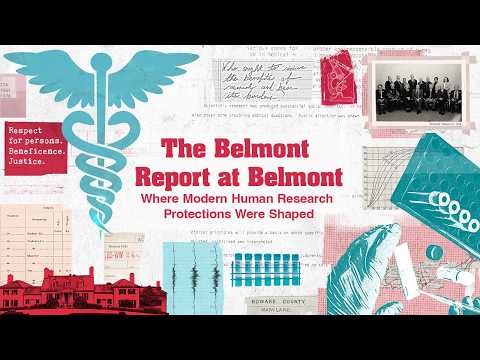
Panel at Belmont Manor stresses IRBs, plain-language consent and balancing beneficence with inclusion
Summary
A federal–academic–nonprofit panel at Belmont Manor discussed how IRBs apply Belmont principles, recommended plain-language consent as a continuous process, and debated how to balance protecting participants while including underserved communities in research.
Panelists from HHS, academia and nonprofit oversight groups described how Institutional Review Boards operationalize Belmont’s three principles and urged several practical reforms. Dr. Laura Brosch (Uniformed Services University) highlighted IRB composition requirements—scientific, non-scientific and unaffiliated members—and said oversight continues throughout a study’s lifetime, not just at initial approval.
Speakers repeatedly urged plain-language consent and treating consent as an ongoing conversation, not a single signed document. "If we could do that in our consent processes, make it not a 20 page document that protects the institution from liability, but explains to the patient and their family," Brosch said, summarizing a larger panel consensus that consent must be meaningful and accessible. The panel also debated inclusion under the justice principle: while protections can prevent exploitation, overprotection risks excluding communities from research benefits, so IRBs and sponsors must weigh both inclusion and protection.