Get Full Government Meeting Transcripts, Videos, & Alerts Forever!
Get email alerts on the Data Centers topic
No spam. Unsubscribe anytime.
Yankton County enacts six‑month moratorium on large data centers as planning board writes ordinance
Summary
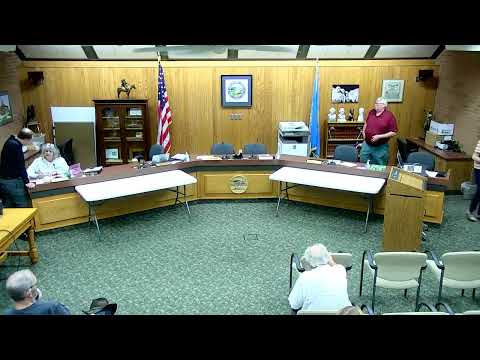
After a two‑hour public hearing with dozens of residents and technical witnesses, the Yankton County Commission voted to impose a six‑month moratorium on data center permits while the planning and zoning board drafts a county ordinance addressing size, environmental and infrastructure impacts.
The Yankton County Commission voted to impose a six‑month moratorium on new data‑center permits, directing the county planning and zoning board to draft an ordinance that will define size limits and study economic and environmental impacts.
During a lengthy public hearing, residents and experts raised concerns about water use, power needs and noise. Payne Tursa, who described himself as a 17‑year resident, said he feared large operators would “make all the money and the rest of the community pays the bills and suffers the environmental issues,” citing Consumer Reports and International Energy Agency figures about heavy water and power demand. Travis Schultz, who said he has a degree in computer science, described the financial risks and local examples of pollution and urged caution.
Commissioners debated whether the moratorium should last 6 or 12 months and whether it should direct planning and zoning to start work immediately. An amended motion setting a six‑month moratorium and correcting the draft resolution language to state the County Commission (rather than the board of adjustment) passed in roll call. The commission also instructed the planning and zoning board to begin public meetings and draft an ordinance; the moratorium may be lifted sooner if the ordinance is adopted.
Some speakers urged a more targeted approach rather than a blanket ban. Nancy Wenandy said the project under consideration may be much smaller than opponents feared and described it as “something less than 30 megawatts,” arguing that transparency and size limits could address many concerns. Commissioners noted that certain larger facilities also require approval from the South Dakota Public Utilities Commission under state rules.
Next steps: the planning and zoning board will hold public meetings and produce a proposed ordinance for commission consideration; the moratorium will remain in place unless an ordinance is approved earlier.