Get Full Government Meeting Transcripts, Videos, & Alerts Forever!
Get email alerts on the Municipal Finance topic
No spam. Unsubscribe anytime.
Staff outlines $31M–$35M financing range for Justice Center and warns of SB 3 uncertainty
Summary
City staff presented bond-capacity scenarios for the Justice Center, estimating a conservative bonding need around $31 million and noting roughly $4.6 million in restricted funds available; staff warned SB 3's legal outcome could affect assessed values and capacity.
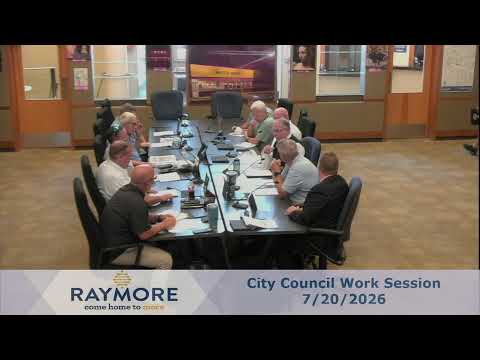
City staff presented conservative and less-conservative financing scenarios for the Justice Center and summarized the city’s available funds. "Without considering those, and SB 3 being in effect or in partial effect, we can actually go to a bond issue, possibly more than this, of a minimum of $31,000,000," said Mister Fierborn, who briefed the council on bonding capacity and timing.
Staff told the council that the restricted revenue fund balance available to apply toward the project is about $3,807,445, with additional restricted fund interest of approximately $730,225 and a maturing Justice investment of about $154,141 — together representing roughly $4.6 million available before drawing on bond proceeds. Staff presented an upper practical financing range near $35 million and said they do not expect to reach the high end of the estimate.
The presentation included assumptions used in the bond calculations: a conservative new-construction allowance under an assumed SB 3 scenario (with some years reduced to zero for projection purposes), a 5% assumed bond interest rate for planning, and conservative commercial assessed-value growth of about 2% in projections. Staff also listed likely election dates and filing deadlines for bond referenda and emphasized the process is informational only until the council authorizes a ballot measure.
Staff cautioned that SB 3 — discussed repeatedly during the session — could affect assessed valuation calculations and bond capacity and that any favorable or unfavorable rulings would have subsequent fiscal implications. A staff/legal speaker summarized possible outcomes if SB 3 were upheld and appealed, including taxpayers seeking refunds or assessors recalculating values, and described that appeals and refund processing could complicate the revenue picture.
Council members asked for further analysis on operational costs (ongoing energy, janitorial and maintenance) and for future sessions to examine residential rentals and how they are treated under SB 3 assumptions; staff said those topics will come to later work sessions.