Get Full Government Meeting Transcripts, Videos, & Alerts Forever!
Get email alerts on the Transportation Elton Hills topic
No spam. Unsubscribe anytime.
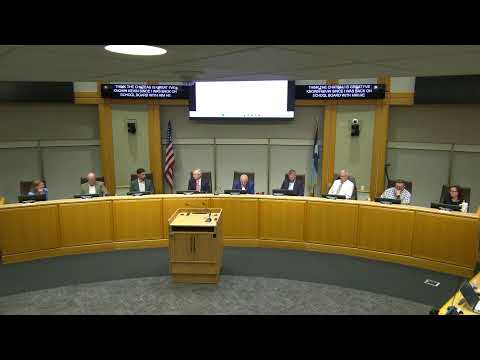
Rochester council approves 3‑lane Elton Hills design; bike advocates urged protected lane
Summary
After hours of public comment and council debate, the Rochester City Council voted 6–1 to advance a 3‑lane design for Elton Hills Drive with parking on both sides (Option 1). Supporters said it improves safety quickly; opponents urged a fully separated bike track aligned with the city’s complete‑streets policy.
The Rochester City Council voted 6–1 to advance final design for Elton Hills Drive NW, approving a three‑lane configuration with parking on both sides that staff said can be delivered within the project budget. City traffic engineer Sam Bazzino told the council the mill‑and‑overlay project and $1.5 million funding would allow curb extensions, median islands and targeted traffic‑calming features while retaining parking on both sides.
The decision followed lengthy public comment and technical testimony. Parents and daily commuters pushed for protected bike facilities; Jennifer Denzugano, a mother of three, told the council that Elton Hills serves three schools and “a protected bike lane here is not a luxury.” Public Works noted Option 2—a 3‑lane layout with a two‑way separated cycle track—aligns with the active transportation plan and was recommended by the Pedestrian Bicycle Advisory Committee, but staff warned full separation requires more complex signal, drainage and snow‑management design and likely exceeds the current budget.
Council members split over priorities. Council member Miller said he favored building an all‑ages protected facility that matches city policy and called for pursuing grants and funding opportunities; Mayor Norton urged the council to follow the city’s complete‑streets and active‑transportation policies and invest in protected lanes. Opponents, including several neighborhood residents who said they prefer four lanes, warned about effects on traffic flow, garbage pickup and winter plowing.
Council member Doring moved to advance the option that includes a two‑way cycle track and parking on one side; after an amendment and debate the council adopted staff’s Option 1 (three lanes with parking on both sides) on a 6–1 vote. The motion directs staff to proceed to final design and prioritize curb extensions and median elements that fit the budget; staff said they would consider bid alternates and prioritization of intersections during design.
City staff said safety analysis from other local conversions showed mixed percentage changes in crash counts but relatively small absolute numbers; federal guidance anticipates speed reductions of 3–5 mph from lane‑reduction measures. Bazzino said the project team will continue to seek grants and technical assistance to support future conversion to a fully separated facility when reconstruction timing and funding allow.
Next steps: staff will move to final design with the approved concept and bring construction documents and budget details back to council as they are available.