Get Full Government Meeting Transcripts, Videos, & Alerts Forever!
Get email alerts on the Animal Welfare topic
No spam. Unsubscribe anytime.
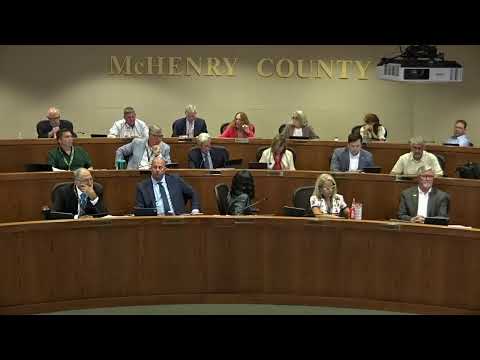
After heated public comment, McHenry County Board rejects proposed local definitions aimed at banning steer‑tailing
Summary
Following hours of public comment from animal-advocacy groups and farming representatives, the board voted down two proposed animal‑cruelty ordinance amendments meant to define and ban certain rodeo practices; supporters urged immediate action while opponents warned of unintended consequences and legal risks.
A packed public-comment period and a vigorous board debate culminated July 21 with the McHenry County Board voting down two proposed animal-cruelty ordinance amendments that would have established explicit local prohibitions on practices described by advocates as cruel, including steer‑tailing and related rodeo tasks.
Proponents — including animal-advocacy representatives and several residents who described videos they submitted to the county — urged the board to adopt clearer local definitions and enforcement tools. "These are crimes, and it is critical that everybody sees this criminal bridal torture, mutilation, and crippling," speaker Jody Whitaker told the board during public comment. Heather Friedley and Jennifer Schallmoser also urged passage, saying local measures were needed because state enforcement has gaps.
Opponents — including farmers, fair organizers and multiple board members — argued the proposed text could sweep in standard agricultural and fair‑related practices, create constitutional exposure through unequal exemptions, and fail in court. "Our current ordinance already prohibits cruel treatment, and our sheriff's office has prosecuted cases under the State's Humane Care for Animals Act," said board member Greeno, explaining a vote against the measure. Several board members urged more work with the Farm Bureau and livestock groups before adopting local definitions.
The board divided the public-health and administrative ordinance changes from the animal-specific language; while the administrative changes passed, both the broad Altaf‑Sager amendment and the smaller Altoff amendment were put to roll-call and did not carry. Members who opposed the measures cited enforcement complications and potential legal challenges; supporters said local definitions and permitting are necessary to prevent recurring harm.
With the animal-specific amendments defeated, the county will continue to rely primarily on state law and existing county enforcement channels. Proponents said they plan to continue advocacy and to provide additional evidence and wording for future consideration.