Get Full Government Meeting Transcripts, Videos, & Alerts Forever!
Get email alerts on the Tax Policy topic
No spam. Unsubscribe anytime.
Council adopts resolution opposing Measure 28, warns of $177,000 hit to city sales-tax revenue
Summary
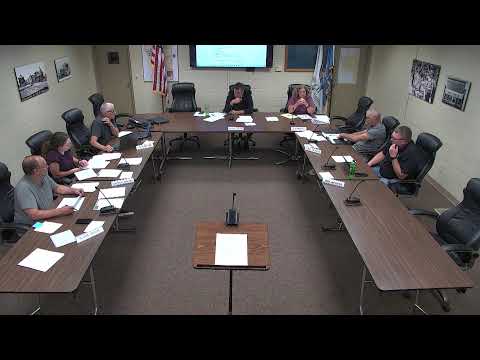
The Freeman City Council unanimously adopted Resolution 24-04 opposing Measure 28, which would abolish the state-level food sales tax; the Chair said the change could remove about $177,000 a year in sales-tax revenue and the council discussed making up the loss with cuts or property-tax adjustments.
The Freeman City Council voted to adopt Resolution 24-04 opposing Measure 28, a proposed change that would abolish the state-level food sales tax and, the council was told, threaten the city's sales-tax revenue. Chair (speaker S4) said, "if you read that, it would cost the city of Freeman $177,000 of tax, sales tax revenue."
Council members discussed the potential consequences if the state-level change reduced the city's sales-tax base, noting the main-street bond is tied to sales tax. Members raised two broad options to cover a projected shortfall: increase property taxes or cut municipal budgets. One council member said, "it could be made up by property tax," and others noted that budget cuts would be an alternative.
Speaker S3 moved to adopt the Municipal League's recommended resolution opposing Measure 28; the motion was seconded and approved by roll call as Resolution 24-04. The Chair said the League had asked cities to pass the resolution and framed it as a preemptive measure to protect local budgets.
Next steps: the council took formal action to adopt the resolution and will record the vote in the minutes; the measure itself is a state-level initiative and any fiscal impacts on Freeman will depend on how the state implements changes and on subsequent municipal decisions about revenue replacement or cost reductions.