Get Full Government Meeting Transcripts, Videos, & Alerts Forever!
Get email alerts on the Community Impact topic
No spam. Unsubscribe anytime.
Grafton residents press RPC and state board on watershed, forestry and property impacts
Summary
Residents at the Grafton meeting raised worries that mapping and Act 181 changes could make building or active forestry more costly, and asked whether rural conservation mapping would restrict logging, increase runoff, or lower property values. Presenters urged parcel-specific comments and noted many rule details are still draft.
Multiple town residents raised practical questions about how the draft maps and new Act 181 rules would affect everyday property uses, logging operations and water run-off.
One attendee described a watershed above the village and asked whether housing developed upslope could increase washouts on short roads. The presenter said the question of state permitting depends on wetland and water-resource impacts and on whether tier-three mapping or the road rule would be applicable; those determinations will be made through the Land Use Review Board's process and state permitting evaluations.
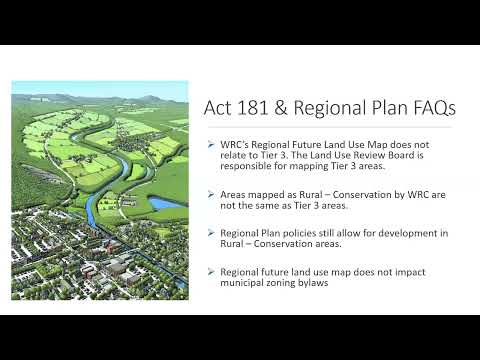
Residents also worried that rural conservation or tier-three designations might limit active forestry or make small family parcels expensive to develop. The presenters repeatedly emphasized that the regional plan is nonregulatory and that many ordinary activities—single-family homes, continued forestry operations—are not expected to trigger large-scale Act 250 review absent other permit triggers. Attendees were encouraged to mark maps with local knowledge so regional staff can refine draft classifications.
A recurring local concern: the 800-foot/2,000-foot thresholds for roads and combined driveways could impose permitting costs and complicate common lot divisions or incremental family transfers. The Land Use Review Board said it understands these concerns and that the board is asking the legislature both for more time to refine rules and for targeted authority to reduce irrelevant criteria in tier-three reviews.