Get Full Government Meeting Transcripts, Videos, & Alerts Forever!
Get email alerts on the Animals Policies topic
No spam. Unsubscribe anytime.
Owego trustees schedule public hearing after residents debate proposed rooster ban
Summary
The Village of Owego scheduled a public hearing for Aug. 17 on a proposed local law to prohibit rooster peaking after residents urged both enforcement of existing noise rules and protections for emotional‑support poultry.
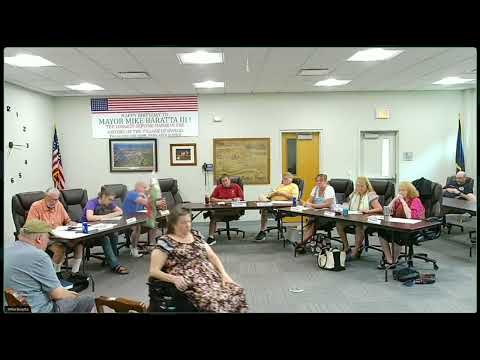
The Village of Owego Board of Trustees voted to schedule a public hearing at 7 p.m. on Monday, Aug. 17, on proposed Local Law No. 5 (2026) to amend village code to prohibit peaking by roosters. The motion to set the hearing was moved and seconded during public comment and will be posted on the village website.
During the public‑comment period Laurie Young of 22 Fulton Street urged the board to use existing code and police enforcement before banning roosters, saying there was little evidence of a widespread crowing problem and noting non‑lethal options. "There are very easy ways to contain a rooster...1 is a $3.99 collar that is very easy to put around the rooster's neck," Laurie Young said. Other residents described personal experiences: one said she has registered her birds as emotional‑support animals and will provide documentation to the clerk's office, while another said the earliest reports of crowing were inconsistent and might be tied to neighborhood disturbances.
Trustees framed the next step as a fact‑finding and public‑input process rather than a final decision. A trustee said scheduling the hearing will allow the community to provide evidence and testimony before any local law is adopted. The board did not adopt a ban at the meeting; it only scheduled the hearing and will consider public input and any proposed ordinance language at a later meeting.