Get Full Government Meeting Transcripts, Videos, & Alerts Forever!
Get email alerts on the Education Policy topic
No spam. Unsubscribe anytime.
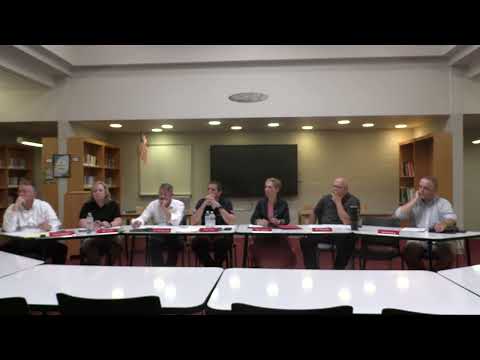
Board discusses implications of Senate Bill 19 for math diagnostics, curriculum and interventions
Summary
Staff said Senate Bill 19 (signed June 24) takes effect September 24 and adds math diagnostic and improvement-plan requirements; the board and staff discussed possible required curriculum purchases, expanded advanced-learning options for grades 3–5, intervention obligations and state review timelines through April 15, 2027 and beyond.
Board members and district staff spent substantial time reviewing Senate Bill 19 and its implications for math instruction, diagnostics and possible curriculum purchases.
"The governor signed Senate Bill 19 on the 24th of June so it becomes effective on September 24th," Deborra told the board, and staff summarized several requirements in the transcript: an additional diagnostic option, a requirement that buildings with 51% or fewer third-grade students proficient on the third-grade math assessment develop an achievement-improvement plan, and a department-created list of approved curricula and evidence-based intervention programs that must be in place no later than April 15, 2027. Staff noted the department will phase in elements and that districts will have to consider whether local materials will appear on the approved list; if not, a building required to use an approved curriculum could need to purchase new materials.
Staff and board members also discussed qualifying criteria for advanced learning in grades 3'05 and how measures such as diagnostic thresholds, course grades, and multiple measures can be used. Staff warned that if qualifying criteria are set too low or too narrowly, students could be moved into advanced material they are not ready for; they also noted the district is not close to the 51% threshold and therefore is not currently at risk of a required improvement plan. The transcript records administrative concern that the law is an "unfunded mandate" with extra administrative work and possible costs for materials and interventions. Staff said random reviews of academic intervention services could begin in the 2027'028 school year, with the department limited to reviewing no more than 5% of schools annually and no school reviewed more than once every three years.
The board did not take an immediate vote on curricular choices. The superintendent said he would circulate notes on Senate Bill 19 to the board following the meeting.