Get Full Government Meeting Transcripts, Videos, & Alerts Forever!
Get email alerts on the Open Meetings topic
No spam. Unsubscribe anytime.
Board debates live-streaming and retention policy; counsel flags legal and practical issues
Summary
The board discussed revisions to its recording policy, including whether to require live streaming when feasible, how long recordings should remain publicly posted (draft suggested 24 months), and rules for board-member or public recording. Board counsel raised concerns about tech failures, public-record requests and potential impacts on open discussion.
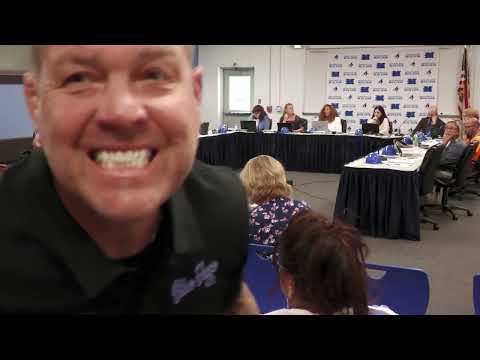
Board members debated proposed changes to the district's recording and livestreaming policy, covering a requirement to livestream meetings "when technologically feasible," proposed availability of recordings on the district website for 24 months, and parameters for the public or board members to record meetings.
Some board members supported expanding availability to increase transparency, while others warned that technology is fallible and that requiring live streaming could prevent the board from conducting necessary business when livestreaming is not possible. One member noted the district must preserve its ability to meet and vote even during technical outages.
Board counsel (Speaker 3) recited practical concerns: public-record requests for archived videos, how retention and posting interact with access rules, and the risk that recordings of heated exchanges could have outsized consequences for staff if derogatory comments are widely shared. Counsel recommended careful language that requires posting "while technologically possible" and clarifies that inability to livestream should not prevent required board actions.
Members also asked to add explicit guidance about recordings made from the dais by board members: whether such recordings are public records, where they should physically be placed during the meeting (public seating area vs. inside the dais), and how to protect attorney-client conversations. The board agreed to revise the draft and continue discussion under ongoing business.