Get Full Government Meeting Transcripts, Videos, & Alerts Forever!
Get email alerts on the Code Enforcement topic
No spam. Unsubscribe anytime.
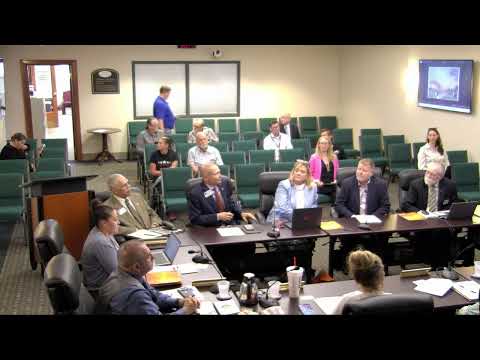
City staff review dangerous structures list and explain remediation, liens and potential demolitions
Summary
City staff presented a list of properties flagged as dangerous or blighted, described the three-notice/court-ordered remediation process, the use of liens to recover demolition costs, and options for rehab or donation to housing organizations when appropriate.
City staff summarized the city's dangerous-structures review and explained next steps for properties that do not comply with remediation agreements. Staff emphasized the routine procedure: code enforcement issues up to three notices, verifies utilities are off, and, if the owner does not act, the city seeks a court order that authorizes the municipality to remediate and place a lien to recover demolition costs.
Staff gave property-level examples: "14 39th Avenue" (described as a fire-damaged structure on third notice), 07/3320 (under active work with Glenworth Hotel Housing), 426 Ottawa (expected to be transferred in October to a developer pursuing rehab), and 1938 Ottawa Street (new owner pursuing phased rehabs). Staff also noted several garages and properties on first- or third-notice status, and said some properties may be removed from the list if rehab agreements are secured.
Using Community Development Block Grant (CDBG) funds requires additional environmental reviews and publications and incorporates a different lien process, staff said. Commissioners asked about timelines and whether the city could waive liens or partner with nonprofit builders; staff noted options such as suspending liens if a buyer agrees to build within a defined period or connecting property owners to nonprofit rehab organizations.