Get Full Government Meeting Transcripts, Videos, & Alerts Forever!
Get email alerts on the Local Options Tax topic
No spam. Unsubscribe anytime.
Selectboard weighs 1% local options tax after VTrans raises bridge cost estimate
Summary
Facing an $386,000 shortfall for a bridge replacement after a VTrans cost update, Royalton officials discussed a 1% local options tax (sales/meals/alcohol/rooms) and agreed to business outreach and listening sessions before any vote.
Town staff presented a local options tax (LOT) as a potential way to close the town’s funding gap after VTrans raised the permanent box‑span bridge replacement estimate. Staff said VTrans’ revised estimate increased the project cost to $11.3 million with a town share of $568,000, leaving Royalton roughly $386,000 short of the savings needed to cover the town’s share by the scheduled completion date. The presenter told the board that "If we put a local options tax on retail sales, in 12 months, we could bring in approximately a $130,000," and explained how meals and alcohol components might add several thousand dollars more.
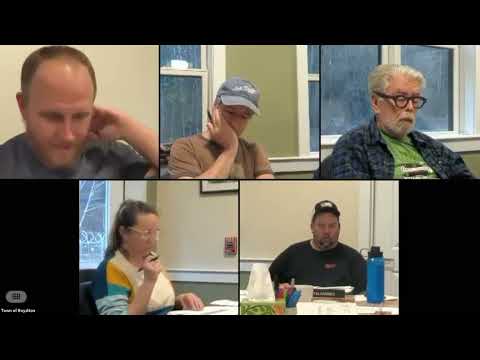
The board discussed logistics and next steps: staff recommended targeted outreach to businesses and a set of listening sessions, including individualized visits to business owners before public sessions. Members debated ballot timing (town-meeting floor vote vs Australian ballot and the 90‑day notice requirement for Department of Taxes) and whether to include retail sales only or meals and alcohol as well. Several members said LOT revenues would largely cover the immediate bridge shortfall while acknowledging implementation requires public approval. The board asked staff to prepare business outreach materials and sample bills to illustrate the 1% impact and to return with timing options and cost-per-call calculations for dispatching where relevant.
Next steps: staff to produce a business outreach letter, schedule listening sessions, and report back with a timeline and sample receipts to show the 1% impact.