Get Full Government Meeting Transcripts, Videos, & Alerts Forever!
Get email alerts on the Nonprofit Impacts Lynn Building topic
No spam. Unsubscribe anytime.
Nonprofits urge legislators to protect youth programs as Lynn Building lease advances
Summary
Leaders of Infinity Visual and Performing Arts and Chautauqua Striders told the legislature moving county offices into the Lynn Building would disrupt programs for hundreds of children and raised safety and access concerns; an amendment removing probation occupancy was added before adoption.
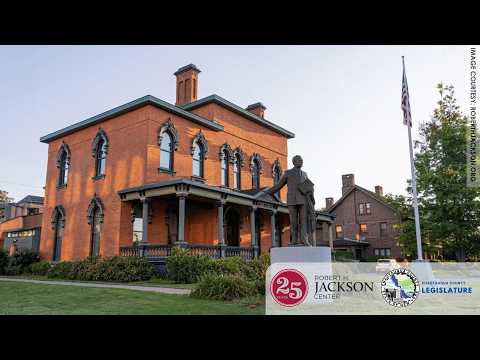
Nonprofit leaders and tenants at the Lynn Building told the Chautauqua County Legislature they do not want to be displaced and warned that co-locating certain county services would create safety and operational problems for youth programs.
Shane Hawkins, executive director of Infinity Visual and Performing Arts, said Infinity occupies 14,000 square feet in the Lynn Building, serves thousands of young people and “has no interest in relocating.” He raised worries about sharing common entrances and lobby space with probation or higher-volume public services, saying it could expose students to safety risks. Jamie Lee Bonfiglio Davis, representing Chautauqua Striders, said the Lynn Building llows hundreds of students to walk from Jamestown High School directly to programs and urged legislators to “keep children at the center of your decision.”
During floor debate Legislator Gustafson offered and won amendments to Resolution 202-26 that removed any reference to probation occupying the building and added language urging consideration for maintaining occupancy for Infinity and Chautauqua Striders. The amendment passed before the final roll call, but the resolution itself nonetheless passed on a 12–5 vote, prompting disappointment from some nonprofit supporters who had urged delay or further safeguards.
A tenant letter read into the record expressed financial concerns about anticipated lease terms and argued nonprofits would face extreme hardship if required to relocate. County staff and the developer said they were sensitive to tenants nd planned phased approaches and tenant negotiations; developer representatives committed publicly to being amenable to tenant needs. The legislature directed staff to finalize contract details and report back, and implementation steps will include follow-up work to address tenant protections.