Get Full Government Meeting Transcripts, Videos, & Alerts Forever!
Get email alerts on the Medicaid Waiver Housing topic
No spam. Unsubscribe anytime.
OHA outlines Medicaid housing benefit: rent, utilities, home mods and tenancy supports
Summary
Tara Gray of the Oregon Health Authority described the HRSN housing benefit under the Medicaid waiver: up to six months of rent and utility assistance (back or forward), storage and hotel payments tied to remediations, medically necessary home modifications, extreme‑weather supports, and ongoing tenancy‑sustaining case management administered through CCOs and Open Card.
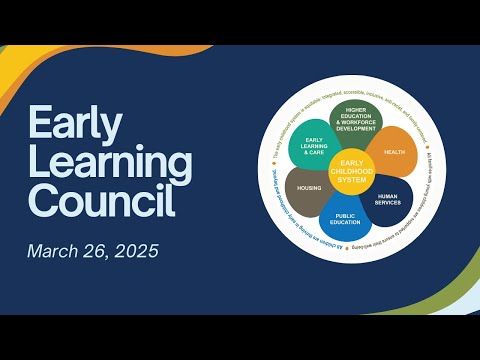
Tara Gray, housing policy analyst at the Oregon Health Authority, gave the Early Learning Council a detailed briefing on the housing portion of the Medicaid Health‑Related Social Needs (HRSN) benefit on March 26.
Gray said the housing benefit is designed primarily to prevent homelessness rather than rehouse people already unsheltered. The rent‑assistance component can pay up to six months of rent (back or forward) and utilities tied to that rent; medically necessary home modifications and remediations (ramps, grab bars, pest remediation, deep cleaning) are included as a separate component. Where those remediations require temporary displacement, the benefit can authorize short hotel stays, with hotel time deducted from the six‑month rent total if both are authorized. The benefit also covers some extreme‑weather household devices (portable air conditioners, refrigeration for medicines) and can pay storage fees when those are tied to rent assistance.
Gray emphasized that tenancy‑sustaining case management is available beyond the six months and can include help getting on Section 8 wait lists, connecting to employment supports, and coordinating medical and social services. The benefits are administered by coordinated care organizations (CCOs) and the Open Card system; OHA contracts with the plans and the plans then deliver payments and case management. Gray noted high demand and that some CCOs are doing direct tenancy case management while others contract with housing providers.
Why it matters: The housing benefit explicitly links Medicaid‑funded social supports with housing stability and includes a sustained case management component that agencies and council members identified as key to preventing homelessness among families with young children.
What’s next: Gray said OHA is expanding provider networks and outreach efforts to reach vulnerable subpopulations and encouraged local partners to use referral forms and CCO contacts posted on the OHA housing web page.