Get Full Government Meeting Transcripts, Videos, & Alerts Forever!
Get email alerts on the Development Review topic
No spam. Unsubscribe anytime.
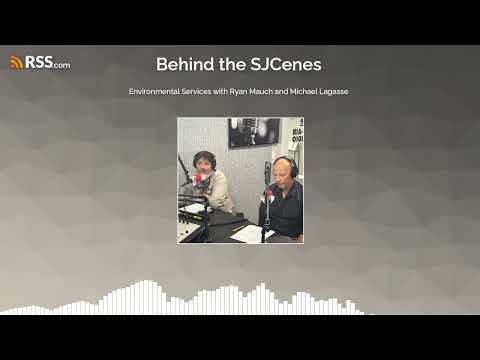
Environmental Services details development-review role: wetlands, listed species, and cultural-resource protections
Summary
Environmental Services (11 staff) said they review development applications for regulatory compliance, ensure consistency with the county comprehensive plan and Land Development Code, and evaluate wetlands, buffers, listed species and historic/cultural resources using the Florida Master Site File and county archaeological models.
St. Johns County Environmental Services staff outlined their review responsibilities for development applications, saying the division focuses on regulatory compliance, protection of listed species and cultural resources, and coordination with other reviewers in Growth Management.
"Our division has 11 staff members. We focus on various resource based duties such as regulatory compliance review, land management activities oversight, and the marine turtle monitoring that we were talking about through the Habitat Conservation Plan," said Ryan Mach, Supervisor of Environmental Services. He added the division ensures consistency with the county's comprehensive plan and Land Development Code and reviews single-family lots through large Developments of Regional Impact for environmental and cultural protections.
Staff said they consult the Florida Master Site File and the county's archaeological model when a development application could affect historic structures or archaeological sites and work with property owners to limit tree removal and require replacement plantings where appropriate. The division also enforces mitigation and permits for wetlands and buffers when projects propose impacts to regulated resources.