Get Full Government Meeting Transcripts, Videos, & Alerts Forever!
Get email alerts on the Surveillance Privacy topic
No spam. Unsubscribe anytime.
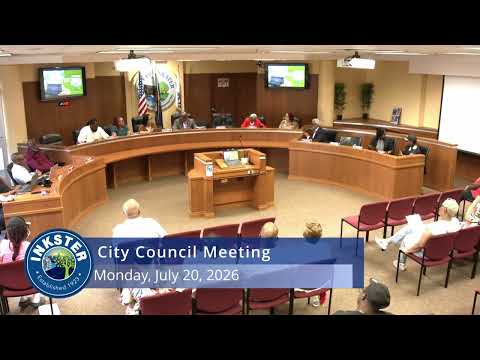
Residents press Inkster Council on Flock camera data, council says city controls sharing
Summary
Residents urged the council to cancel or review the city's contract for Flock license-plate/facial-recognition cameras, citing privacy and data-sharing concerns; city officials said the contract gives Inkster control over who may access footage and that staff will provide more information to the council.
Darius Fowler, identified at the meeting as a resident, urged council members to explore cancelling the city's Flock license-plate camera contract, saying the devices collect extensive data and have been linked to contracts in other cities that residents later protested.
"It's too much data being gathered and given away for free," Fowler said, adding he had seen access to cameras on social media and worried about who might view the footage. Fowler asked what steps the public should take to pursue contract cancellation and offered to prepare a presentation for the council.
Mayor Byron Nolan and city staff responded that the city's contract establishes that the city decides when and with whom to share Flock data, and that requests from other agencies are reviewed on a case-by-case basis. "We decide who we share that information to," a staff member told Fowler, and weekly requests may come from outside agencies but the department must approve sharing.
Council members acknowledged residents' privacy concerns and the examples of other jurisdictions canceling similar contracts, and said they would provide additional documentation and likely schedule a presentation so the council and the public can review the contract terms together. "We have protections against it," the mayor said, while also noting "nothing's foolproof." The council asked staff to collect and distribute the documents Fowler requested so members and residents can review the technology, data access, and any audit or oversight provisions.
The exchange included both residents who described cases where the cameras aided investigations and others who said the presence of the cameras risked over-policing. Councilmembers said more public information and a formal presentation would be scheduled so the full set of questions about access, encryption and third-party requests can be answered.