Get Full Government Meeting Transcripts, Videos, & Alerts Forever!
Get email alerts on the Property Tax topic
No spam. Unsubscribe anytime.
Tentative budget proposes property‑tax increment to fund a CSO and cybersecurity; staff says ask will be trimmed
Summary
Budget staff presented a tentative property‑tax rate increment intended to fund a Community Service Officer (CSO), a vehicle, and cybersecurity software; the original $150,000 figure was described as 'too high' and staff said they plan to lower it in the next draft.
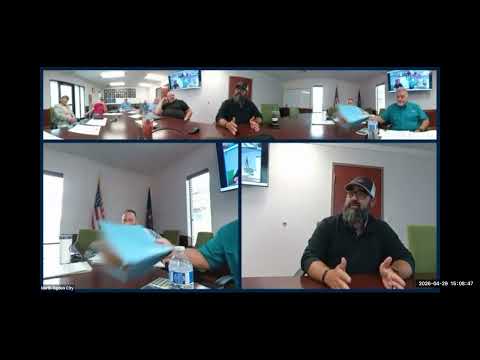
Budget presenter Peter walked the committee through the tentative general‑fund numbers and the proposed property‑tax rate increment intended to pay for a new Community Service Officer (CSO), a vehicle, and cybersecurity software. “When the budget was published…we picked things that make sense to go forward,” Peter said, and added the state now requires impact statements isolating what a rate increase will fund.
Committee chair pressed staff on the size and history of tax proposals, repeatedly citing the $150,000 amount that was proposed in a prior year but not enacted because of a procedural omission. The chair said, “Somebody screwed up because the city couldn't raise taxes last year,” noting a missing slide during the public meeting and asking whether anyone was held accountable; a committee member acknowledged the slide error and took responsibility. Peter told the committee he planned to reduce the incremental ask from $150,000 to about $130,000 in the next budget draft.
Members debated whether the CSO hire would be a recurring cost and whether eliminating the position later would allow the tax to be reduced. One committee member said the CSO would address code‑enforcement and animal‑control duties now strained across departments, and argued a CSO is cheaper than a patrol officer and would improve compliance rather than primarily generate fines. The presenter emphasized the need to isolate the increment on the impact statement by May 1 to comply with state rules and to be transparent about how rate changes will be spent.
The committee did not take a formal vote on the increment at this meeting; staff was directed to refine the rate and provide clearer, two‑page summaries showing what residents would pay and which programs the increment would fund.