Get Full Government Meeting Transcripts, Videos, & Alerts Forever!
Get email alerts on the Governance Policy topic
No spam. Unsubscribe anytime.
Board opens first reading of changes to uniform grievance procedure; key debate over anonymity and dismissal authority
Summary
At first reading of proposed revisions to Policy 2:260, trustees, administration and legal counsel discussed intake protocols, handling of anonymous reports, dismissal grounds, and protections for both complainants and respondents; staff will return revised language for second reading.
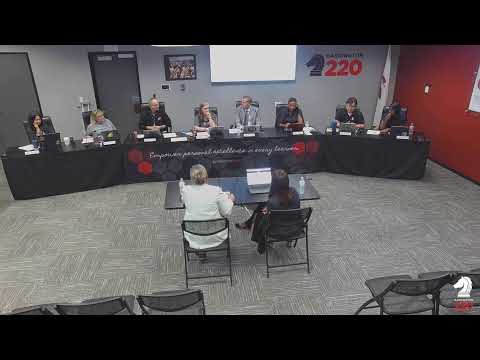
The board conducted a first reading of proposed revisions to Policy 2:260 (Uniform Grievance Procedure), with a sustained discussion among trustees, district staff and legal counsel over how anonymous reports should be handled and when a complaint may be dismissed.
Staff and policy‑committee presenters outlined changes intended to clarify the complaint intake process, require written complaints or an intake meeting when necessary, and explain how anonymous reports are reviewed. The presenter explained the draft language: anonymous reports "may be reviewed or investigated but will not proceed through the formal grievance process" as drafted (summary of proposed text).
Board members expressed concern about the potential effect on community members who fear retaliation, arguing that some complainants may prefer anonymity yet still raise actionable concerns. One board member said: "I don't want my complaint dismissed because I refused to come to a meeting," and asked that the policy preserve options for complainants who cannot or will not participate in an intake meeting. Another trustee said anonymous reports had been used repeatedly and had triggered costly outside investigations.
Legal counsel Amy Dickerson advised that the language as drafted preserves the complaint manager’s discretion and allows the district to seek additional information while protecting confidentiality "to the extent permitted by law"; she also cautioned that certain allegations (for example, those invoking mandated‑reporter obligations) might necessitate disclosure.
Trustees asked staff to return revised, clearer language for a second reading that (1) clarifies the meaning of "may" versus "shall" in intake provisions, (2) replaces overly prescriptive wording about intake meetings with broader language that allows complainants to share needed information in the mode they prefer, and (3) clarifies how complaints involving board members or the superintendent will be handled, including cross‑references to ethics policy 2:105. The board did not take final action; administration and counsel said they will draft revised text and may return the item for another first reading or proceed to second reading depending on revisions.