Get Full Government Meeting Transcripts, Videos, & Alerts Forever!
Get email alerts on the Zoning And Homeless Services topic
No spam. Unsubscribe anytime.
Residents urge limits on downtown recovery services as council reviews zoning update
Summary
Residents and written correspondents told council that a cluster of recovery and social-service facilities downtown is harming quality of life and urged stricter conditional‑use and geographic limits in the 2026 zoning update. City lawyers said zoning was tightened two years ago but existing facilities are grandfathered.
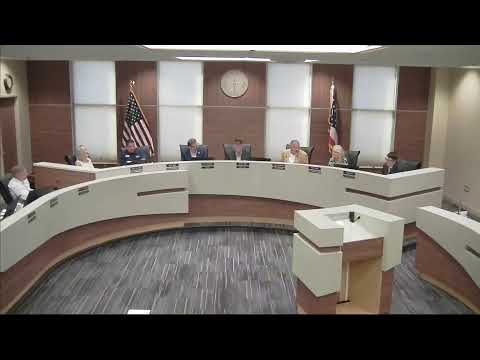
Several residents and letters entered into the record at the July 23 Xenia City Council meeting pressed the city to address what they described as an overconcentration of recovery and social-service facilities in the downtown core. Louetta Talbot, a lifelong resident, urged the council and planning and zoning commission to use the 2026 zoning update to "implement stricter conditional use permits and geographical boundaries for future medical recovery and emergency housing facilities," arguing the downtown placement is harming downtown revitalization efforts.
Mayor Reynolds read a separate letter from Rita Caldwell that said downtown conditions have "become remarkably worse," describing people congregating near downtown businesses, use of the bike path by people who are unhoused or using drugs, and incidents at Shawnee Park. Both correspondents asked the council to consider policy steps to reduce the concentration of services in the city center.
Madam Law Director responded that the council had already tightened zoning about two years ago to prevent new treatment facilities from locating in the downtown area, but that existing businesses are "grandfathered" and may remain while operating. She said that if such businesses close for a qualifying period (she cited a six‑month threshold), the new zoning would prevent their return under the same use. Council members said they would continue policy discussions about what additional tools the city can lawfully use to address the issue.
The council accepted the letters into the official record and directed staff to include the concerns in their ongoing zoning and policy work. No regulatory removals or new restrictions were adopted at the meeting; the law director noted the limits of the city's authority over privately owned property that is lawfully occupied.