Get Full Government Meeting Transcripts, Videos, & Alerts Forever!
Get email alerts on the Stormwater Watershed topic
No spam. Unsubscribe anytime.
Township engineers present Phase 1 watershed inventory; 60‑day public comment to follow
Summary
Township engineers told council that Phase 1 of a state‑required watershed improvement plan inventories 16 watersheds, 72 outfalls and four TMDLs; the report was posted for a 60‑day public comment period and will be revised before Phase 2 work and submission to the New Jersey Department of Environmental Protection.
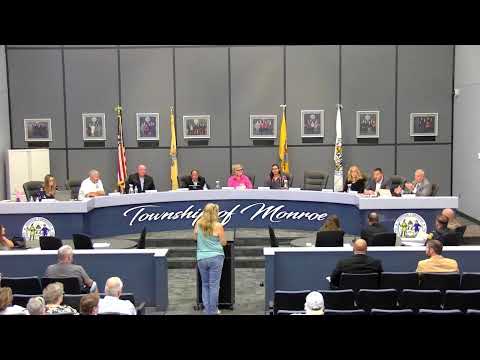
Township engineer Mr. Barbadero introduced a watershed improvement report and turned the presentation over to Richard Provoca, who described Phase 1 as an inventory of township watershed infrastructure and environmental constraints. Provoca said the report was submitted on Jan. 1, 2026, but that the New Jersey Department of Environmental Protection (DEP) had not yet provided feedback.
“This report is basically an inventory of all your watershed and infrastructure assets that you have in the community,” Richard Provoca said, noting “16 watersheds, 72 outfalls, 58 interconnections” and four TMDLs addressing phosphorus, coliform, PCBs and mercury. Provoca said the inventory will be posted on the township website and available for a 60‑day comment period; comments will be incorporated into a revised report before the township proceeds to Phase 2.
The presentation emphasized that Phase 2 will move from inventory to identifying operational and engineering solutions (for example, increased street sweeping or filtration on catch basins) and that about 85% of permit responsibilities fall to public works. Provoca noted roughly 144 non‑municipally owned best management practices are recorded in the draft and that FEMA flood‑plain mapping (100‑ and 500‑year) is included for public review.
Council members asked whether legal counsel or a formal council action was required; Provoca said none was required and that the team would resubmit documentation to the DEP case manager to show the report had been introduced to the public. The next step in the process is the 60‑day posting, a second public meeting to review comments, and then moving into Phase 2 to evaluate and prioritize remediation and operational measures.