Get Full Government Meeting Transcripts, Videos, & Alerts Forever!
Get email alerts on the Gender Based Violence topic
No spam. Unsubscribe anytime.
UNFPA highlights gender-based violence risks and protection work in shelters
Summary
The UNFPA briefing stressed that gender-based violence typically increases after disasters, cited barriers to reporting, and described prevention, case management, psychosocial support, and legal counseling provided in shelters.
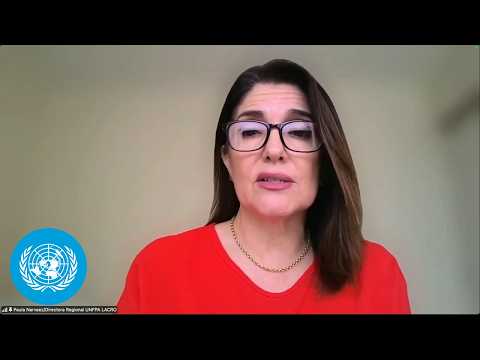
Paolo Narvaez said that gender-based violence (GBV) is a known risk in emergencies and that while UNFPA lacks definitive figures for current GBV cases, reported incidents likely undercount the true scale because survivors often do not report due to fear, stigma, or limited services.
"Reported cases only show the tip of the iceberg... most survivors do not report due to fear of retaliation, stigma, insufficient support services, and other barriers," Narvaez said. He described UNFPA-led GBV information sessions in shelters, case management, psychosocial support, legal counseling, and work to make temporary shelters safer for women and girls while coordinating with partners.
The briefing included accounts of a UNFPA staffer leading GBV response despite personal loss and a teenage shelter participant attending awareness sessions. Narvaez said prevention, response and safety in shelters must be central to any humanitarian response and called for sustained funding and partner coordination.