Get Full Government Meeting Transcripts, Videos, & Alerts Forever!
Get email alerts on the Estate Attorney Fees topic
No spam. Unsubscribe anytime.
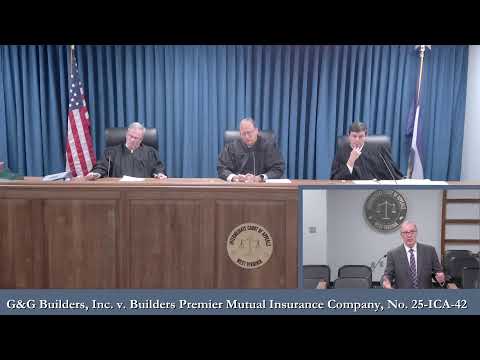
Appeals court hears challenge to $600,000 in estate attorney fees
Summary
The West Virginia Intermediate Court of Appeals heard arguments over whether $600,000 in attorney fees billed to the George C. Baker estate were reasonable and whether a county fiduciary supervisor had authority to limit fees to $75,000. Petitioners' counsel said much of the work billed benefited other estates; the executor said he has not paid the fees.
R. Terrence Rogers, counsel for petitioners Michael C. Baker and George Cameron Baker (trustees), told the Intermediate Court of Appeals that the central question is whether the estate of George C. Baker was improperly billed for legal services and whether the fees are reasonable. "The burden of proof is always upon the attorney to show the reasonableness of the fees charged," Rogers said, arguing that by November 2016 more than $600,000 had been billed to the estate while essential probate inventories, appraisements and correct federal estate tax filings had not been completed.
Dan Cooper, the executor, said he has not paid Looby's invoices and described the dispute as intertwined with collection efforts and a larger claim against the company that owns the asset at issue. "I didn't have the money to pay him, and that's why I haven't paid him anything yet," Cooper said, asserting that the remedy process and when the issue is ripe for review are key to resolution. The panel questioned both sides about statutory limits and whether a fiduciary supervisor may act on allowances before final administration is complete.
Rogers pressed the court to defer to the county commission's supervisory ruling that $75,000 was reasonable and said the circuit court erred by adopting proposed findings that included material outside the record before the fiduciary supervisor. The judges raised interlocutory‑appeal concerns about jurisdiction and whether the matter remains advisory until administration concludes. After rebuttal and bench questions the case was submitted to the court.