Get Full Government Meeting Transcripts, Videos, & Alerts Forever!
Get email alerts on the Public Safety topic
No spam. Unsubscribe anytime.
Public safety employees and residents urge alternative funding as commission weighs cuts and expansion
Summary
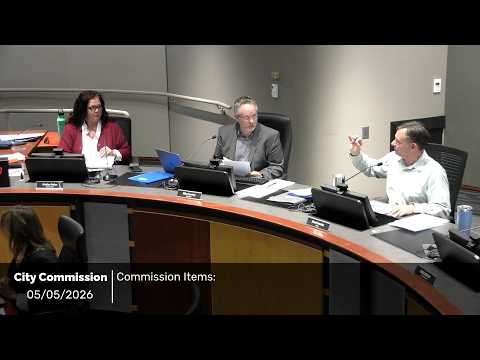
More than two dozen speakers—police officers, fire union representatives, parents, school staff and community groups—urged commissioners to avoid cutting police programs (SROs, downtown patrol, community service technicians) while debating how to fund a new fire station; speakers also pressed the commission for transparency on pay increases and health‑care cost trends.
A sustained and emotional public‑comment period on May 5 focused on public safety and the budget. Scores of current and former law‑enforcement officers, school staff and residents urged the commission not to reduce police staffing or programs—particularly the school resource officer (SRO) program—while several union and community speakers expressed support for fire‑department expansion.
School staff and SROs described the role of officers in schools as relationship‑based prevention work that they said could not be preserved with only two officers to cover 20 schools. "Six is what we need, and two is not a compromise," said a school staffer emphasizing mentorship and daily presence.
Multiple police officers, union leaders and community members warned that continued cuts could force the department to stop responding to non‑emergency calls and degrade downtown foot patrol and investigative capacity. The Lawrence Police Officers Association’s president told commissioners the department already is operating at minimum staffing and using substantial overtime to cover shifts.
Civic groups and researchers also addressed salary and personnel trends. Presentations from local coalitions claimed the city’s personnel expenses rose substantially in recent years, that the city added about 77 FTEs since 2020, and that a subset of top employees received larger-than-average increases; speakers urged that the upcoming market‑pay study be scrutinized and used to chart a sustainable path forward.
Some speakers proposed alternatives to cuts: phased approaches to Station 6 staffing, potential revenue measures, fee changes (false alarms, transit fares), renegotiation of regional agreements, and more targeted program savings. Commissioners asked staff to provide vacancy and overtime data, pay‑study results, and false‑alarm fee analyses to inform forthcoming budget deliberations.
The comments underscored the tension at the heart of the budget conversation: funding an expanded fire and EMS presence in west Lawrence while preserving policing, school‑based safety programs, and other community services.