Get Full Government Meeting Transcripts, Videos, & Alerts Forever!
Get email alerts on the City Budget topic
No spam. Unsubscribe anytime.
City staff outline preliminary 2027 budget with $4.3M station‑6 gap; commissioners weigh mill‑levy and cuts
Summary
Staff presented preliminary 2027 assumptions—including a flat mill levy with 4% assessed‑value growth, sales‑tax growth estimates, and a $4.3M operating gap tied to Fire Station 6 staffing—prompting commissioners to request additional data on pay‑study results, fund balance use, phased staffing, and revenue options before deciding on a mill‑levy increase.
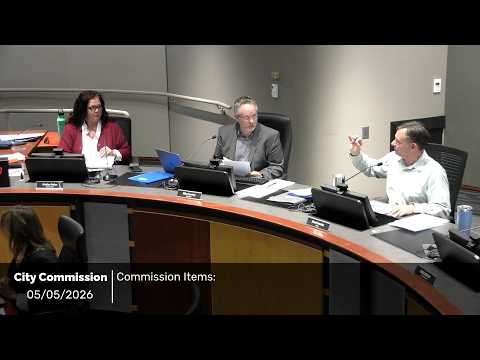
City staff presented a preliminary framework for the 2027 operating budget on May 5, highlighting assumptions and choices that could close an estimated operating gap tied to planned service expansions.
The presentation listed revenue assumptions: a flat mill levy with 4% assessed valuation growth and a sales‑tax growth assumption that staff showed in slides (staff suggested figures near 4–4.5% for 2027). Staff identified a roughly $4.3 million operating deficit associated with the planned staffing and reserve for the proposed Fire Station 6 expansion, including hiring and multi‑year staffing needs for engine and medic staffing.
Budget staff said departments had been asked to identify potential reductions (typical 4% department reductions with smaller percentages for LDC FM, Police, and Parks & Rec), and that public engagement (Balancing Act) produced about 352 submissions showing mixed views on taxation vs service cuts. Staff also reported preliminary 2025 ending balances were better than projected and that they reduced employer healthcare contribution assumptions from $20,000 to $19,000 per employee.
Commissioners asked for additional detail before endorsing a mill‑levy path: a finalized pay‑study report expected in late May or early June; rolling 12‑month sales‑tax trend data; phased staffing and cost schedules for Station 6 hires and recruit academies; vacancy and overtime breakdowns; and analyses of potential fee revenues (false‑alarm fees, transit fares, other user fees). Several commissioners expressed openness to a multiyear mill‑levy option for station operations but requested alternatives (phasing, targeted revenue measures, or finding non‑service cuts) before final direction.
Staff said the next steps include further analysis, governance negotiation with county partners for LDC FM shares, and returning a refined proposal in the summer with materials to allow a September budget adoption timeline.
"These are still relatively early in our conversation, so numbers are subject to change," a staff presenter said, emphasizing the preliminary nature of the slides and the need for additional community engagement and technical follow‑ups.