Get Full Government Meeting Transcripts, Videos, & Alerts Forever!
Get email alerts on the Ai Development topic
No spam. Unsubscribe anytime.
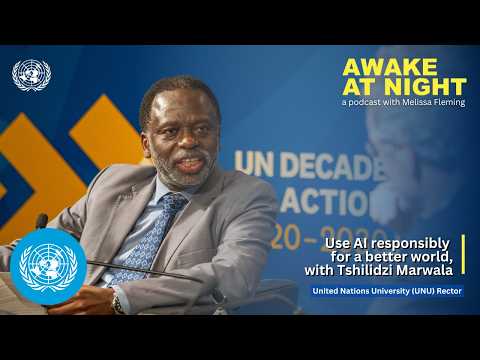
UNU rector says AI can expand education and improve health and agriculture in low-resource settings
Summary
Marwala argued AI and related technologies can widen access to education, enable drone-based soil analysis for crop planning and help detect common diseases where clinical tools are scarce, but he urged verification and literacy.
Marwala said AI can make education more accessible and stressed that databases already have value: "Databases, even just Wikipedia, has been a very valuable source of information," he said, while noting that AI training relies heavily on such sources.
On agriculture he pointed to concrete uses such as drone imagery to provide soil analysis where lab tests are expensive, and on health he mentioned lower-cost diagnostic techniques: "There are techniques that can be able to detect... Not as good as a mammogram... and taken to AI and it is able to assess the risk," he said, adding that these tools would likely increase referrals to doctors but could widen access to screening in underserved areas.
Despite the promise, Marwala urged caution: AI is imperfect, data can be poor, and users must "always verify" outputs and build AI literacy to avoid harm.