Get Full Government Meeting Transcripts, Videos, & Alerts Forever!
Get email alerts on the Payments topic
No spam. Unsubscribe anytime.
Officials say FMIS batching, documentation and DOA processing slowed child-care payments
Summary
DPHSS staff and a DOA representative told the committee that a new FMIS batching process, invoice completeness requirements and certification steps delayed some payments; DOA said properly documented batches are typically processed within 2–5 days after receipt.
Department staff explained to the committee that delays in paying childcare providers were a mix of federal timing, the territory's financial-management upgrade and procedural changes to invoice handling.
"We've only batched Medicaid in the past. We've never batched childcare invoices, and now we're doing that," DPHSS said, describing a new FMIS batching requirement that required staff retraining and re-batching of invoices. Staff noted providers have up to 90 days to submit invoices, which means some older charges can enter the system later.
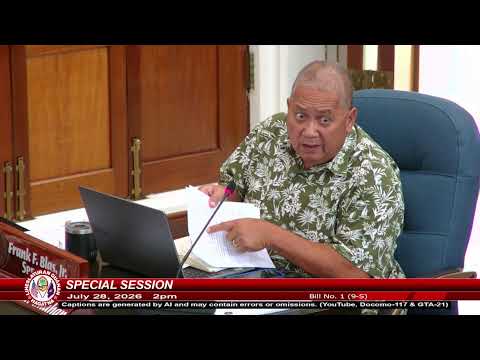
Theresa Rivers, who said she was filling in for the Director of Administration, described DOA's receipt and processing workflow: "Provided that all the documentation and the certification is signed off, we turn around in 2 to 5 ... 3 to 5 days." She added that DOA receives large batches (1,000–3,000 items) and prioritizes certified batches for AP processing.
DPHSS and DOA staff told senators they coordinate to prioritize childcare batches once the agency alerts DOA that a batch is ready for payment. Committee members asked for clearer standard operating procedures and a consistent timeline to give providers a predictable expectation of when cleared invoices will be paid.