Get Full Government Meeting Transcripts, Videos, & Alerts Forever!
Get email alerts on the Environment topic
No spam. Unsubscribe anytime.
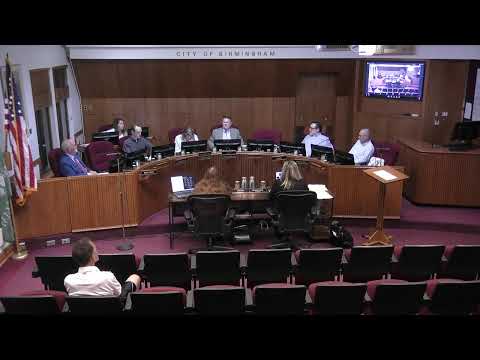
Commission debates proposed parking-based sustainability fee; staff to return with longer plan
Summary
Staff proposed a parking transaction 'sustainability fee' (10¢) to fund a $371,000 Year‑1 suite of projects; commissioners demanded a more complete economic plan and directed staff to develop a five-year plan and work with a commissioner to refine the proposal.
City staff presented a proposed "sustainability fee" charged on parking transactions designed to fund a set of environmental projects. Staff said an initial Year‑1 program would cost about $371,000, including a $50,000 reserve, and estimated greenhouse-gas and stormwater co-benefits ("a little over 3,000 metric tons of CO2 equivalent" and capture of stormwater volumes cited in staff materials).
Presenter Nick Dupuy described how the fee would be booked so proceeds do not commingle with the parking enterprise fund and walked commissioners through six proposed projects in the Year‑1 table. "The way that all fees ... work, it goes into account and then it goes through a process called booking," Dupuy said, explaining the administrative reconciliation steps.
Commissioners questioned the burden distribution between residents and visitors, the administrative costs of vendor software updates, whether electric vehicles should be exempted, and the absence of a multi-year business case. One commissioner called the proposal "an incomplete plan" and asked for a five-year projection and clearer economic sustainability analysis. Another commissioner argued the fee keeps costs off the general fund and spreads the burden to parking users.
Rather than adopt the fee, commissioners agreed to ask staff to produce a multi-year plan and to have a commissioner work with staff to refine the proposal for future consideration. Staff agreed to return with further analysis on multi-year costs, administrative impacts, and options for different fee levels or structures.