Get Full Government Meeting Transcripts, Videos, & Alerts Forever!
Get email alerts on the Data Centers topic
No spam. Unsubscribe anytime.
Residents and officials weigh pros and cons of data centers, battery storage and wind turbines for Wright County
Summary
Wright County supervisors hosted an extended public discussion on whether to welcome data centers, battery storage and wind turbines, with residents raising water-use, stray-voltage and wildlife concerns and energy representatives urging more fact-based study and "shelf-ready" ordinances.
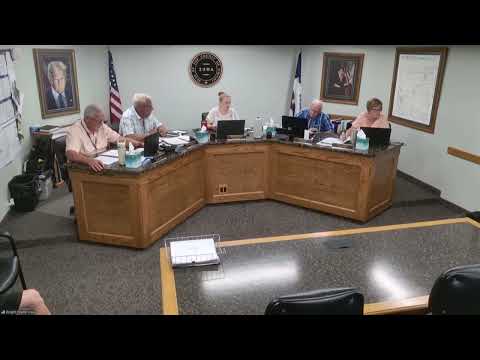
Wright County supervisors reopened a discussion about data centers, battery energy storage systems and wind turbines on July 27, seeking public input on whether the county should solicit such projects and how to regulate them.
Chair (speaker 1) framed the item as a listening session: "Do you want a data center? Do you want more windmills, better storage systems?" Citizens, energy-sector representatives and board members then traded views on potential economic benefits, infrastructure needs and environmental risks.
Several citizens raised concerns about groundwater and animal health. One resident questioned high water use and asked, "What's their plans with that?" (speaker 2), pressing for clarity about closed-loop cooling maintenance and waste disposal. Another resident pointed to livestock impacts reported elsewhere and urged more long-term research before permitting large projects (speaker 5).
Energy-sector supporters appearing in minutes — including Kate Garner with Prairie Energy and a MidAmerican Energy representative — urged the board to gather technical information before deciding. As recorded in the meeting, Garner said there is "a lot of misinformation" and that data centers can include "high quality jobs" (speaker 4, as read). A MidAmerican Energy representative said the board should "do their due diligence and research" before taking action.
Board members recommended preparing model ordinance language and arranging site visits or technical briefings so supervisors can make informed choices. One supervisor said a priority is to have "something shelf ready" so the county can show it has done research and expectations are clear when a developer approaches them (speaker 6).
The board did not adopt any ordinance or formal rule during the session; the meeting record shows supervisors asked staff to seek technical briefings and further information to guide potential future actions.