Get Full Government Meeting Transcripts, Videos, & Alerts Forever!
Get email alerts on the Board Policy topic
No spam. Unsubscribe anytime.
Trustee presses to change ‘may’ to ‘shall’ in immigration-enforcement response policy
Summary
During a first reading of policy updates intended to align board policies with recent state laws, Trustee Rodriguez asked to change language that currently allows ("may") staff to provide training into a requirement ("shall"); staff explained 'may' leaves flexibility because mandatory language could trigger funding obligations.
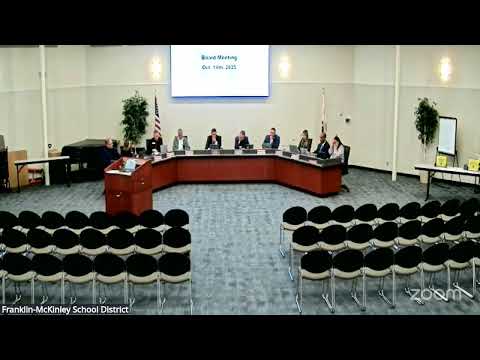
At a first reading of board policy and administrative regulation updates, trustees discussed proposed language in policy 5154.13 (response to immigration enforcement) that currently uses the word "may" in a paragraph about staff training. Trustee Rodriguez asked the board to change the term to "shall," aligning that paragraph with the board’s general use of "shall" elsewhere in the policy packet.
"I would like to change the word may to shall," Trustee Rodriguez said, asking that the superintendent or designee be required to provide training to staff regarding immigration issues. Superintendent Cruz responded that the state sometimes uses "may" to preserve a district’s flexibility because requiring a service could obligate funding; he said changing to "shall" would obligate the district to provide training, raising questions about scope and frequency.
Staff noted the proposed updates are first readings and that the board will see second readings and possible edits at a future meeting. The superintendent said staff will bring options back on the second reading so trustees can decide whether to adopt the stricter language or retain flexibility. The board will vote on revisions at a later meeting after public input and the statutory comment period for policy changes.