Get Full Government Meeting Transcripts, Videos, & Alerts Forever!
Get email alerts on the Variances Training topic
No spam. Unsubscribe anytime.
City attorney/staff gives training on variances, burden of proof and ex parte rules
Summary
Glenn led a training explaining variance standards — limited to dimensional/area/parking exceptions, not establishment of prohibited uses — the requirement for unique, non‑self‑created hardship, the 'minimum variance' rule, competent and substantial evidence standards, due process and limits on ex parte communications.
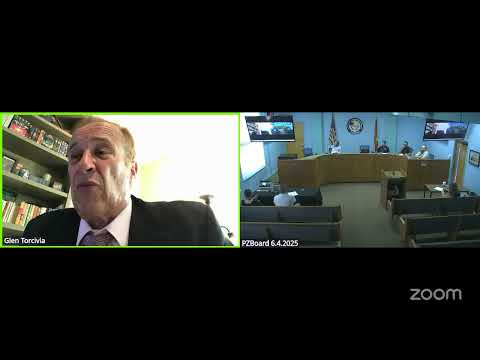
As part of the meeting’s training segment, Glenn provided an extended presentation on the legal and procedural foundations for considering variances and quasi‑judicial matters.
Glenn explained that variances are limited to height, area, yard and parking exceptions and cannot be used to authorize a use or density otherwise prohibited by the code. He emphasized required findings: a unique, non‑self‑created hardship; the need to grant the minimum variance necessary; and that decisions must rest on competent, substantial evidence in the record. He also reviewed quasi‑judicial constraints: due process notice, avoidance and disclosure of ex parte contacts, and that appeals to a court typically follow when a party contests a board’s decision. "When competent substantial evidence has been presented, that compliance has met denial must accomplish a legitimate public purpose and not be arbitrary," Glenn said.
Board members asked questions about how to treat properties made noncompliant by historic zoning changes, whether prior granted variances carry weight, and the relationship between ambiguous code language and variance relief. Glenn advised focusing on present facts and the specific variance criteria in each case rather than relying heavily on precedent or past approvals.