Get Full Government Meeting Transcripts, Videos, & Alerts Forever!
Get email alerts on the Public Health topic
No spam. Unsubscribe anytime.
Presenters describe 'situation table' model to coordinate quick interventions for high-risk residents
Summary
Retired chiefs and local table chair described a weekly, multi-agency 'situation table' triage model that brings together law enforcement, health and community partners to reduce acute elevated risk; presenters said early data show case reductions and closures and invited referrals from schools, police and other partners.
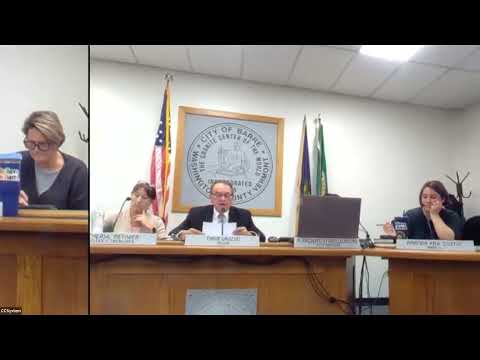
Scott (speaker 13), a trainer with law-enforcement and public-health experience, described the "situation table" as a rapid, risk-based triage model that convenes partners from public safety, health and community agencies weekly to coordinate wraparound interventions for individuals and families at acute elevated risk. "The table is what we call a, a rapid risk based triage model," he said, explaining that the approach looks upstream to connect people with services before crises escalate.
Presenters said the Vermont rollout has produced measurable reductions in acute risk and that tables record de-identified weekly data showing housing, basic needs, substance use and mental health as the top risk factors. They described referral paths (schools, police, fire, clinicians) and consent-based releases for sharing protected data. Tess, the local table chair, said local attendance has been high and that the table has opened six cases so far with most closed or in active follow-up. Councilors asked how community members can request help; presenters said residents can ask local officers, school staff or city staff to refer a case to the table, and that case managers will continue work as needed after de-escalation.
Ending: Council members thanked presenters and were asked to forward any questions for future training sessions; no formal vote was required for the briefing.