Get Full Government Meeting Transcripts, Videos, & Alerts Forever!
Get email alerts on the School Funding topic
No spam. Unsubscribe anytime.
Superintendent urges legislature to fix state school funding formula, says schools are doing more with less
Summary
Dr. Miller told the Ohio County Board of Education that schools are being asked to provide social and mental-health supports without corresponding funding, and urged the West Virginia Legislature to revise the funding formula so roles like counselors and social workers are funded in every school.
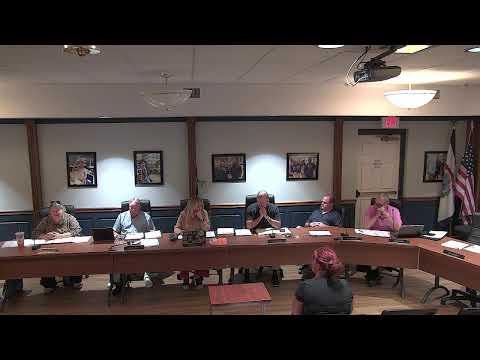
Dr. Miller, superintendent of Ohio County Schools, used the board meeting on July 27 to press elected officials for changes to the state funding formula, saying the formula forces districts to cut essential positions even as schools are asked to provide broad social supports. "If society expects schools to address food insecurity, mental health, substance abuse, chronic absenteeism, and the catalyst barriers that prevent children from learning, then those expectations should be reflected in our funding priorities," she said.
Dr. Miller framed the issue as both a practical and moral problem: public schools educate "90% of West Virginia's children," she said, including high-need students, yet the funding model she described reduces personnel while adding responsibilities. She urged the legislature to fund counselors, social workers and school psychologists as full-time positions and argued that judging schools by a single test score ignores the wide array of services educators already provide. The superintendent also noted local efforts, including aggregated student-level data and an August 7 summit for administrators, intended to guide district planning.
The superintendent's remarks were followed by the board's routine business; no formal action on state advocacy was taken at the meeting. Dr. Miller's full presentation ran early in the meeting and served as a policy-oriented appeal to state lawmakers and the local community.