Get Full Government Meeting Transcripts, Videos, & Alerts Forever!
Get email alerts on the Permit Limits topic
No spam. Unsubscribe anytime.
Residents flag permit scaling, testing gap if plant remains below 1,000,000 gpd threshold
Summary
Commenters pointed to permit language and earlier correspondence suggesting possible future scaling up and said keeping the facility below 1,000,000 gpd would avoid more stringent toxicity testing; they urged ADEM to clarify limits or require stronger monitoring.
Several commenters reviewed the draft permit and related documents and raised technical questions about permitted or proposed future capacity and monitoring requirements.
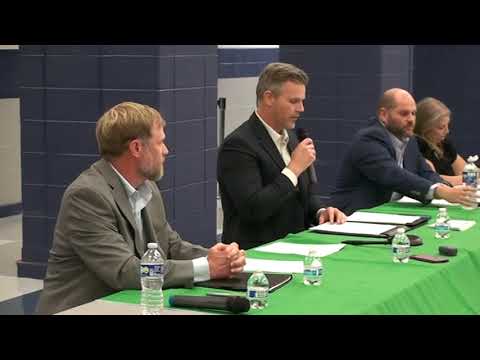
Ginny Samato told the hearing she reviewed an 110‑page permit package and two October 2022 letters that, she said, referenced scaling beyond 990,000 gpd to as much as 4,000,000 gallons per day; she asked ADEM to clarify whether the draft permit authorizes future increases. Samato also noted the regulatory threshold that classifies plants at 1,000,000 gpd as 'major' and said being designed below that threshold reduces the frequency and stringency of toxicity testing. She said the Flint River’s listing on Alabama’s 303(d) list for turbidity means there is a smaller remaining pollutant load available.
Samato asked the agency to confirm the permitted long‑term waste‑load allocation and to explain monitoring and enforcement triggers if the plant expands or if receiving‑water conditions worsen.