Get Full Government Meeting Transcripts, Videos, & Alerts Forever!
Get email alerts on the Venezuela Experience topic
No spam. Unsubscribe anytime.
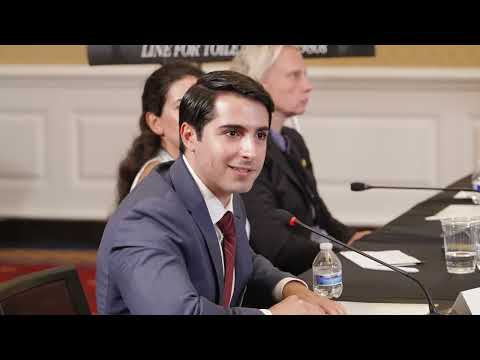
Witness recounts life under Venezuela's economic collapse and warns U.S. against similar policies
Summary
A witness testifying before the committee described shortages, fingerprint-based rationing and simultaneous hyperinflation and cash scarcity in Venezuela, saying those experiences shape their opposition to U.S. policies they characterize as socialist.
A witness speaking to the committee described growing up in Venezuela, where their parents ran a gas station and the family once lived what they called a middle-class life before shortages and economic controls took hold. The witness said widespread rationing, fingerprint scanners that limited purchases and chronic power outages made everyday life difficult and pushed millions to leave the country.
The witness framed those experiences as part of a broader argument about centralized economic control. "It's as if I told you, give me $100 in cash. I'll Venmo you $1.20," the witness said, using that analogy to illustrate how physical cash traded at a premium compared with electronic balances during hyperinflation. They added that more than 8,000,000 people left Venezuela — roughly a third of the population, according to the witness — and that such large-scale displacement illustrates the humanitarian consequence of the policies they criticized.
The witness tied concrete daily disruptions to policy choices: when electricity failed, payment terminals and refrigeration stopped working, food spoiled and schools dismissed classes, the witness said. Those details, they argued, are not theoretical but lived conditions that inform their policy views. The witness said they learned about market-based critiques of such outcomes from reading Milton Friedman's Free to Choose and that their testimony is grounded in personal experience rather than academic authority.
The witness concluded by warning that U.S. policymakers should consider those lived consequences before adopting policies that, in the witness's view, expand government control of markets and daily life.