Get Full Government Meeting Transcripts, Videos, & Alerts Forever!
Get email alerts on the Pavement Preservation topic
No spam. Unsubscribe anytime.
Topeka City staff outlines pavement-preservation tools and cost benefits
Summary
A Topeka City staff presentation described the city's three-year pavement condition index (PCI) process and outlined preservation treatments'crack sealing, fog seal, scrub seal, microsurfacing and cape seals'that can delay costly full reconstruction and save money over time.
A staff member for Topeka City described the municipality's three-year, data-driven pavement-condition index (PCI) process and outlined the treatments the city uses to extend pavement life and avoid full reconstruction. "So every 3 years we have a data driven process where we analyze all the pavements in town and they get rated on a scale of 0 to 100," the staff member said, referring to the PCI score that guides treatment selection.
The presenter explained how treatment intensity rises as PCI falls: roads with higher scores receive lighter, lower-cost treatments, while deteriorated streets may need mill-and-overlay or full reconstruction. "If you touch the road earlier, you won't have to do major reconstruction or larger repairs," the presenter said, framing preservation as a cost-avoidance strategy.
City staff listed the preservation options in routine use: crack sealing, fog seal (a diluted asphalt emulsion), scrub seal (a chip-seal variant with scrub brushes and fine chips), microsurfacing, and combinations such as cape seals. On crack sealing, the presenter said crews clean cracks with compressed air and/or heat and apply a hot-applied rubber sealant "to keep water from getting in." For fog seal, the presenter described a sprayed, diluted asphalt emulsion that fills small voids and seals the road surface and said it is best for roads that still have light oxidation and limited cracking (typically roads under about three years old).
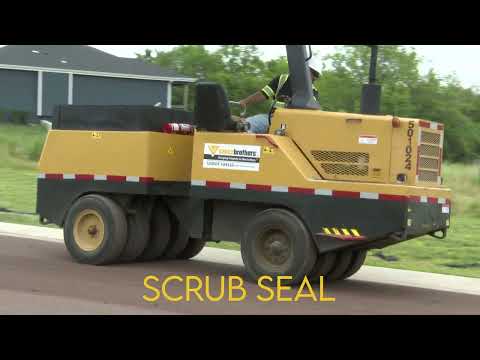
The presenter described scrub seal as a quick method in which emulsion is applied, scrub brushes force binder into cracks, a chip spreader drops very small aggregate that is rolled into the emulsion, and rollers compact the blend to seat the material. Microsurfacing was explained as a blend of aggregate, asphalt emulsion and water spread roughly 0.375 to 0.5 inches thick; when applied it can look similar to hot-mix asphalt.
Staff emphasized relative costs and expected service life: preservation treatments are substantially less expensive than mill-and-overlay or full reconstruction. The presenter characterized microsurfacing as roughly one-quarter to one-third the cost of a mill-and-overlay and said it can last about six to ten years when applied at the appropriate time. "Pavement preservation is keeping good roads good," the presenter said, adding the analogy that preservation is like "changing the oil in the car before the engine locks up."
No formal motions or votes were recorded in the transcript; the record is a technical briefing describing methods and the rationale for early intervention to reduce long-term capital costs.