Get Full Government Meeting Transcripts, Videos, & Alerts Forever!
Get email alerts on the Public Comment topic
No spam. Unsubscribe anytime.
Neighbors press planning commission to pause spot rezones; cite traffic, parking and master‑plan timing
Summary
Dozens of residents told the commission that two concurrent rezones would hurt neighborhood character, urging a moratorium or denial until the city completes a general‑plan update; commenters raised traffic, parking, light pollution and emergency access concerns.
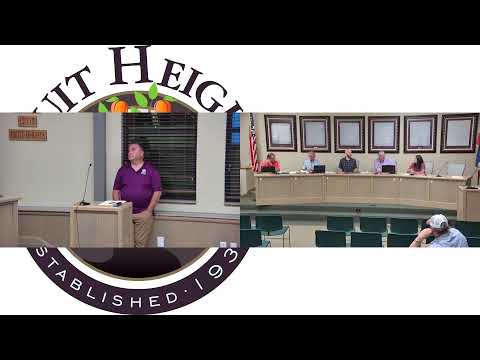
During the public‑comment portions of the meeting residents filed detailed objections to the proposed R‑3 rezones, presenting petitions and asking the planning commission to deny or delay both applications until Fruit Heights finishes a general‑plan update.
Speakers repeatedly said this is a small‑scale city with single‑family neighborhoods that would be harmed by a multi‑story building up to 45 feet near homes. Keith Lloyd, who said the 1207 South Main property was his family home, appealed to the commission: "I implore you to not allow this zoning change." Other residents focused on safety and infrastructure: first responder Matt Benson asked whether a traffic study had been completed and whether fire and sheriff agencies had been consulted about emergency response and ingress/egress.
A smaller set of public speakers supported more housing options or urged compromise designs. Michael Hyer said he supports moderate‑income housing generally but opposed the magnitude of an R‑3 jump from single‑family zoning and suggested smaller‑scale multifamily as an alternative. Commissioners told residents they heard their concerns and that the commission can recommend conditions at the later site‑plan stage, but also noted state law and housing mandates that constrain local discretion. The two rezoning recommendations will now go to City Council for final action, where the community can again engage with the formal process.