Get Full Government Meeting Transcripts, Videos, & Alerts Forever!
Get email alerts on the Zoning Variance Triplex topic
No spam. Unsubscribe anytime.
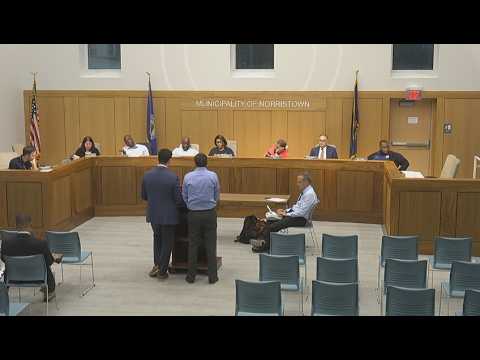
Tie leaves triplex variance for 1733 Willow Street at status quo after tenant alleges mold, pests
Summary
The Norristown Zoning Hearing Board deadlocked 2-2 on a request to continue using 1733 Willow Street as a triplex after a former tenant described long-running mold and rodent issues; the owner and counsel said the property passed a July 13 inspection and is now code-compliant.
Attorney John McShea told the Norristown Zoning Hearing Board that the building at 1733 Willow Street has historically been used as a triplex and that the owner seeks a variance to continue that use. McShea said separate utilities, separate entrances and three distinct dwelling units support the hardship claim and that municipal inspections completed in May, June and on July 13 show the code compliance officer closed prior deficiencies.
Applicant John Brodeur said two units are vacant and one is occupied and described work done with a property management company to address items on a punch list from the May inspection. Brodeur said the property management company responds through an online portal and that some repairs — including drywall replacement for localized mold — were completed following the municipality’s direction.
Former tenant Naja Allen testified she had repeatedly reported mold, rodent and miswiring problems beginning in November 2025 and said the management company did not remediate the problems during her tenancy. Allen said she left the unit May 16 because of the conditions and disputed after-the-fact charges the landlord attempted to bill her for extermination and other items; she said she had to contact the Pennsylvania Public Utility Commission over PECO-related wiring concerns.
Board members pressed the applicant on oversight and timelines, asking why complaints the tenant said she filed in 2025 were not acted on earlier and whether a thorough search for hidden mold was done beyond surface repairs. Counsel and the applicant pointed to the July 13 inspection report showing the specific items cited in May were addressed and argued the municipality’s code compliance officer confirmed the property passed reinspection.
After public comment and board discussion, the hearing returned to motions. Multiple attempts to frame and vote on a motion to grant the variance resulted in a tie and the board concluded the result was a 2-2 status quo. The board clerk explained that a tie means no decision is made, the property remains as-is, and the applicant may appeal within 30 days.
Next steps: the record shows the property was found code-compliant in the July 13 municipal inspection but the zoning variance remains unresolved because of the tie vote and the tenant’s documented complaints remain part of the record.