Get Full Government Meeting Transcripts, Videos, & Alerts Forever!
Get email alerts on the Housing topic
No spam. Unsubscribe anytime.
Commissioner Rawls' ordinance limits institutional investors to 100 single-family homes; first reading passes
Summary
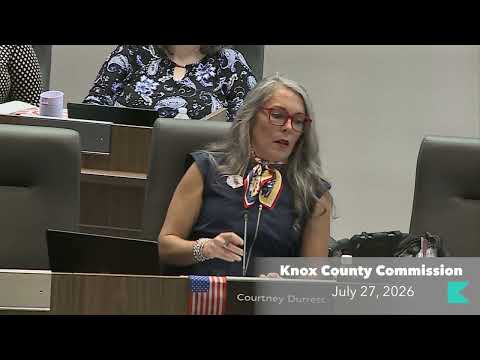
On first reading, the Knox County Commission approved an ordinance restricting large institutional investors from buying more than 100 single-family houses in the county, a measure supporters say protects first-time buyers and critics say needs refinement and clearer exemptions.
The Knox County Commission on first reading advanced an ordinance (o-26-7-102) that would prohibit certain business entities and large institutional investors from acquiring more than 100 single-family homes for rental purposes within the county. Sponsor Commissioner Damon Rawls framed the measure as a way to preserve entry-level housing opportunities for local first-time buyers.
"We're trying to stop large-scale out-of-state corporations and hedge funds from buying up neighborhoods and turning those neighborhoods into rental portfolios," Rawls said during discussion. Supporters, including public commenter Mia Collins, said investor purchases are pricing working families out of the market: "When corporations buy neighborhood after neighborhood, they aren't just purchasing houses — they are turning neighbors into tenants," Collins told commissioners.
Opponents and several commissioners pushed back on carve-outs and monitoring. Commissioner Russell specifically asked that certain exemptions (for build-to-rent projects and government-owned housing) be reconsidered or clarified to prevent unintended loopholes. Legal staff advised that any changes affecting already-vested contracts would risk constitutional challenge and that the ordinance is intended to apply prospectively.
After debate, commissioners voted to approve the ordinance on first reading; the motion carried with recorded support by a 9-2 tally. The ordinance proceeds to the required second reading and further committee review where staff and stakeholders can refine exemptions and enforcement language.