Get Full Government Meeting Transcripts, Videos, & Alerts Forever!
Get email alerts on the Gaza Humanitarian topic
No spam. Unsubscribe anytime.
UN: Gaza faces major public‑health risks as rodent infestations, sewage, and limited waste access worsen
Summary
UN briefing said OCHA found rodent or ectoparasite infestations in 83% of displacement sites and that partners are distributing 9 metric tons of rodenticides daily, with restricted access to landfills and urgent needs for spare parts and fuel hindering waste management and water services.
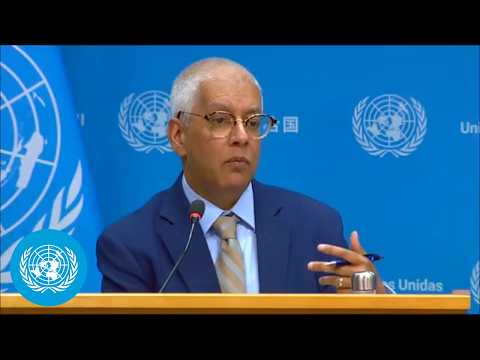
Farhan, the United Nations staff member at the briefing, said the Office for the Coordination of Humanitarian Affairs warns civilians in Gaza face major public‑health risks, including "widespread rodent and ectoparasite infestations" reported in 83% of assessed displacement sites.
He added that sewage and stagnant water are present in streets, and about 65% of the Gaza Strip has restricted access to landfills because of military operations. "The UN Development Programme and other partners are distributing 9 metric tons of rodenticides every day, thanks to supplies brought into Gaza by The United Arab Emirates," Farhan said.
On water and sanitation, Farhan said UNICEF is supporting construction of a central water well in Khan Yunus expected to benefit about 7,000 people and that work is underway to clean the Sheikh Aljeen Ajlin wastewater treatment plant, which served roughly 700,000 people before damage. He said about 430,000 kindergarten and school‑age children—approximately 56% of the estimated student population—are enrolled in more than 600 temporary learning spaces, and that some learning programs are helping children catch up ahead of the school year.
The briefing stressed that sustained access to spare parts, engine oil, and permissions for partners to reach restricted landfills are critical to reduce public‑health risks; no new donor commitments or funding totals were announced.