Get Full Government Meeting Transcripts, Videos, & Alerts Forever!
Get email alerts on the Budget topic
No spam. Unsubscribe anytime.
Lansing officials warn taxes may rise as legal and infrastructure costs mount
Summary
Town leaders said infrastructure needs (roads, aging water mains) and unexpected legal expenses are putting pressure on budgets; they described reserve rules and one-time solar payments that must be used for capital projects, not operations.
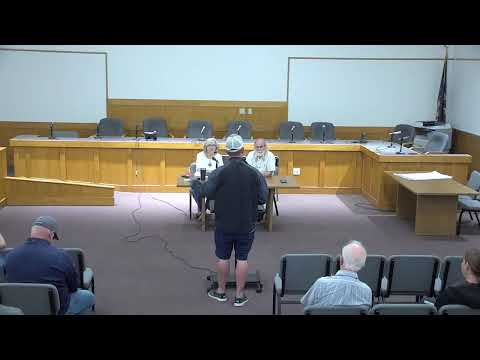
Residents asked whether the town had borrowed for operations or moved reserve funds; officials said municipalities cannot borrow for operations and that some transfers being shown in the packet are budget modifications (reallocations between charge codes) rather than withdrawals from named reserves.
Officials said the B fund (planning and codes) is financed principally by sales tax and that the town is seeing higher-than-budgeted sales-tax receipts but also higher legal and engineering expenses. The supervisor said the fund balances have been drawn down in prior years and that the town must restore them toward policy levels, so "we will likely need to keep the levy at least the same or higher" this year. The town also expects a one-time payment from a Yellow Barn solar project; state rules require one-time windfalls be used for capital projects rather than ongoing operations, so the board plans to replenish reserves and allocate remaining funds to parks projects such as Myers Park bathroom upgrades.
On infrastructure, officials said the town maintains roughly 100 miles of roads and that many water mains are approaching a 40-year replacement cycle, which will be costly if deferred; officials argued proactive replacement is cheaper than emergency repairs and overtime.