Get Full Government Meeting Transcripts, Videos, & Alerts Forever!
Get email alerts on the Epidemiology topic
No spam. Unsubscribe anytime.
Epidemiologists cite federal data gaps as hurdle to tracing cyclospora source
Summary
County epidemiologists said interview data are critical but federal-level surveillance changes and data delays have hindered rapid traceback to a specific farm or growth lot, complicating the ongoing cyclospora investigation.
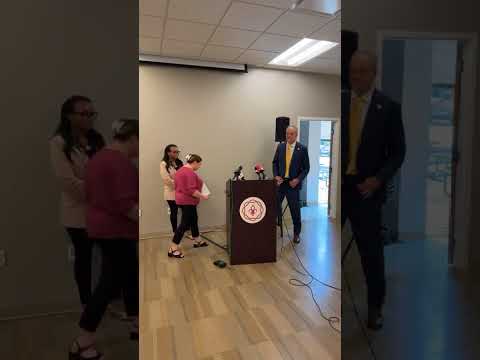
Dr. Amanda Brodowski, the epidemiologist leading St. Louis County's investigation, described classic outbreak work — interviewing cases, comparing timelines and exposures, and looking for patterns across interviews. "It's a bit like putting together a puzzle," she said, explaining why individual interviews remain central to linking people to common exposures.
Brodowski and Dr. Kanika Cunningham said the county has "signals" that point toward common exposures but that tracing a single farm or growth lot can be difficult because national surveillance practices have changed. "Cyclospora used to be part of the ... FoodNet, PulseNet system. It's not anymore," Brodowski said, and Cunningham added that she believed there was a roughly six-week delay in federal information reaching local public-health agencies during this outbreak.
Both officials emphasized that local interviews and coordination with state and federal partners remain the immediate tools for identifying a source and that any actionable findings will be shared as they are confirmed.