Get Full Government Meeting Transcripts, Videos, & Alerts Forever!
Get email alerts on the Commercial Uses topic
No spam. Unsubscribe anytime.
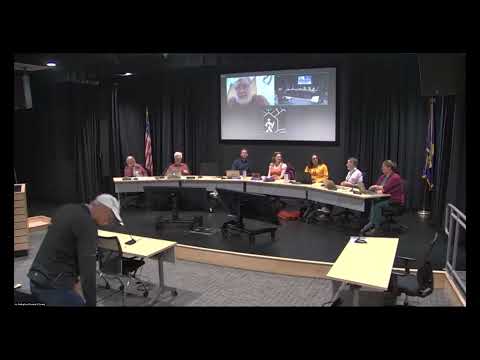
Planning commission considers 'scale-and-impact' approach to commercial uses
Summary
Staff proposed reorienting the city’s use table so similar activities are regulated by scale and neighborhood impacts (noise, traffic, light, trucking) rather than product categories, and asked commissioners to endorse project framing and impact metrics to guide future zoning changes.
The South Burlington Planning Commission discussed a proposal to reorient how the city regulates commercial uses, moving from product-based categories (for example, ‘restaurant’ versus ‘light manufacturing’) toward a framework based on scale and local impacts.
Staff member (speaker 5) told the commission: "What we are looking for now is actually to reorient the approach that the city takes to commercial uses." The proposal would group functionally similar activities by expected impacts—noise, traffic, deliveries, lighting and hours of operation—so that two very different businesses with similar effects would be treated consistently across zoning districts.
Commissioners described the change as an effort to reduce anomalous outcomes produced by long-standing, product-based use tables. One commissioner noted that a small food producer and a small retail store can have similar neighborhood footprints and asked whether building size or expected vehicle trips should determine where a use is permitted. Staff said the approach would be implemented through a series of project-scoped rule changes brought back to the commission for review.
If adopted, staff said the new approach would allow the planning team to prepare concept definitions (for example, "light commercial", "medium-scale") and cross-cut them with performance standards—traffic thresholds, noise limits, and delivery schedules—so that allowable uses would align with local context rather than an industry label.
The conversation concluded with staff asking commissioners to identify which impacts they consider most important to evaluate in the next set of drafts; the commission signaled general support for continuing the work and requested additional examples and draft use tables for a subsequent meeting.