Get Full Government Meeting Transcripts, Videos, & Alerts Forever!
Get email alerts on the Public Safety topic
No spam. Unsubscribe anytime.
Police chief reports drop in some crimes, rise in motor-vehicle stops and new addiction-response role
Summary
Summit Police Chief Ryan Peters told the council the department handled 52,478 calls for service in 2025, reported declines in motor vehicle thefts and burglaries compared with prior years, and said the department added an addiction-coordination officer to improve crisis response.
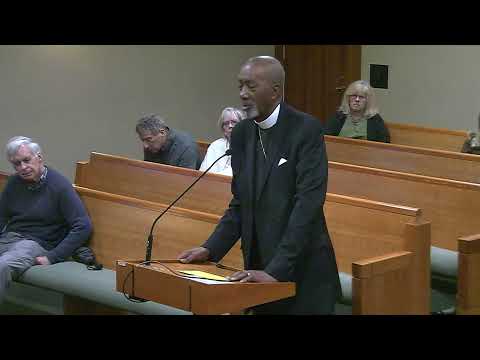
Police Chief Ryan Peters told the Common Council the Summit Police Department handled “52,478 calls for service” in 2025 and outlined changing crime and service patterns during his semiannual report.
Peters said violent-crime categories were mixed: “aggravated assault accounted for 3 of the 8 reports of violent crime,” while motor vehicle thefts have fallen to two year-to-date incidents and burglaries are down from earlier years. He described challenges in uniform-crime reporting and said some statistics are revised after investigations because initial call-for-service codes are sometimes not updated.
Peters also described operational changes the department has made in response to non-criminal calls for service. He said the department created an addiction-coordination and treatment officer position and reassigned Sergeant Majuli to work with Bridgeway and other partners; that officer, Peters said, “bridges the gap between the families in need and the services that they need.” The chief said the officer works Tuesday through Friday, follows up on calls, and helps patrol officers with crisis incidents.
Council members asked for clarifications about downtown larceny patterns, motor vehicle stop increases and pedestrian hot spots. Peters said increases in stops partly reflect additional staff — “we increased our table of organization by 4 in the last 3 years” — and that some stops are focused on education and enforcement. On a busy pedestrian crossing near the train, he said the department is replacing instructional signage and considering engineering changes such as rumble strips.
The council praised the department's detective work on a daytime robbery in which investigators used a geolocator to identify and arrest a suspect within hours. Peters credited the detective bureau for recovering stolen vehicles and for improvements in arrest effectiveness as crime trends shifted.
The report prompted several follow-up requests from council members, including asking for more granular trends in downtown thefts and continued coordination on capital requests for traffic-calming investments.